Electricity is one of the largest operating expenses for industrial compressed air systems. In many factories, the energy used by an air compressor over its lifetime is much higher than its purchase price.
Understanding where these costs come from helps businesses improve efficiency, control operating expenses, and make better investment decisions.
This guide explains how much energy an air compressor uses, the main cost drivers, how to estimate electricity costs, and practical ways to reduce long-term operating expenses.
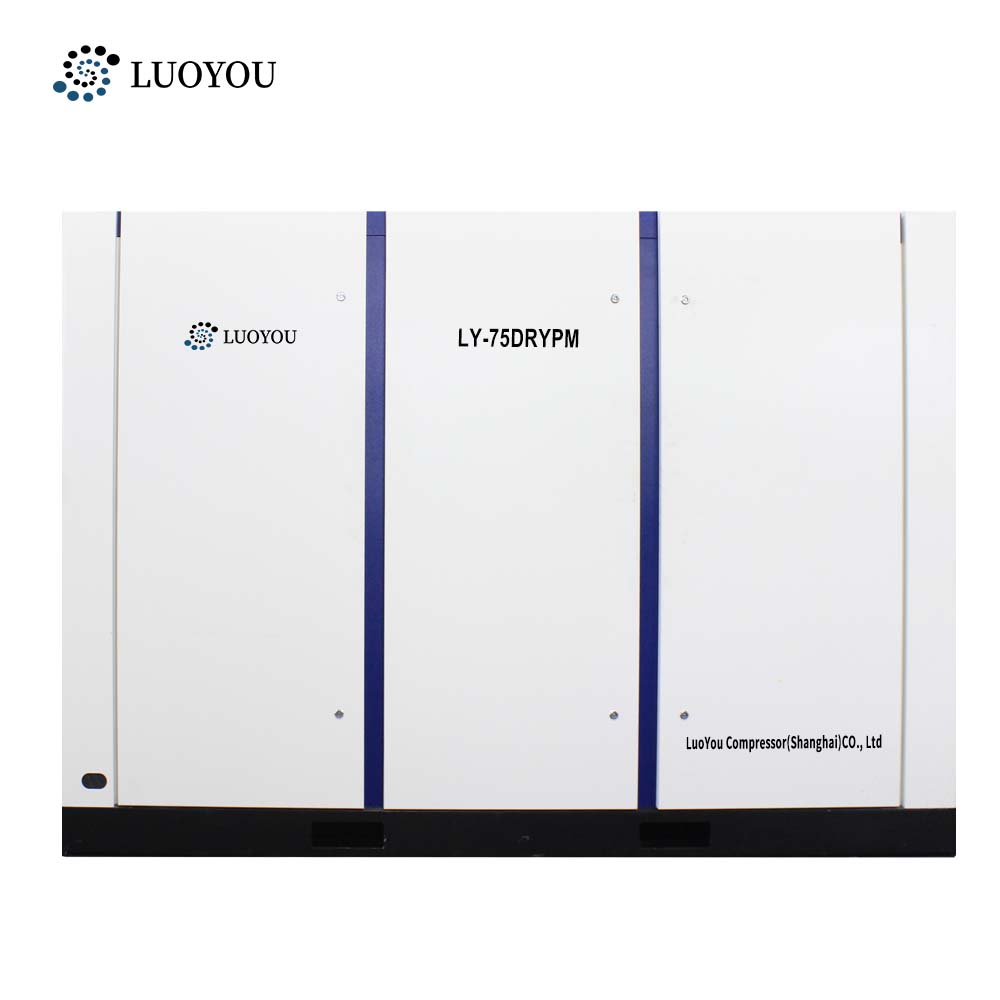
An air compressor converts electrical energy into compressed air. Every hour it operates consumes electricity, and even small improvements in efficiency can produce significant savings over the life of the equipment.
The total project cost of owning an air compressor is not limited to purchasing the machine. It also includes electricity, maintenance, repairs, and other operating expenses.
For many industrial users, energy accounts for 70–80% of the compressor's long term ownership cost.
Several factors affect how much electricity an air compressor consumes.
Larger compressors require more power.
For example:
| Compressor Power | Typical Power Consumption |
| 15 kW | 15 kWh per hour at full load |
| 37 kW | 37 kWh per hour at full load |
| 75 kW | 75 kWh per hour at full load |
Actual energy use depends on operating conditions.
A compressor running continuously uses much more electricity than one operating only a few hours each day.
Annual energy consumption depends on:
· Daily operating hours
· Number of working days
· Production schedule
· Idle time
Compressors operating at partial load may still consume a large percentage of full-load power.
Using variable speed technology can reduce unnecessary electricity use during periods of lower demand.
An efficient compressed air system requires less energy to deliver the same airflow.
Factors affecting efficiency include:
· Air leaks
· Pressure drops
· Dirty filters
· Poor maintenance
· Incorrect compressor sizing
The purchase price is only one part of the overall ownership cost.
Major cost drivers include:
· Electricity consumption
· Maintenance
· Spare parts
· Repairs
· Downtime
· Equipment replacement
Understanding these cost categories helps companies make better purchasing decisions.
A practical cost breakdown includes several major cost categories.
| Cost Category | Typical Expenses |
| Equipment Costs | Air compressor purchase, installation |
| Energy Costs | Electricity consumption |
| Maintenance Costs | Oil, filters, service kits |
| Repair Costs | Replacement components |
| Labor Costs | Maintenance personnel |
| Downtime Costs | Production losses |
| Operating Costs | Routine inspections and monitoring |
These line items provide a clearer picture of the total ownership cost.
Good cost structures divide expenses into fixed and variable costs.
These generally include:
· Initial equipment purchase
· Installation
· Air piping
· Electrical work
Variable expenses increase with compressor operation.
Examples include:
· Electricity
· Lubricants
· Filters
· Replacement parts
· Maintenance labor
These costs continue throughout the equipment's service life.
A simple calculation can estimate annual electricity expenses.
Formula
Annual Energy Consumption (kWh)
= Compressor Power (kW) × Operating Hours
Annual Electricity Cost
= Annual kWh × Electricity Price
A 37 kW compressor operates:
· 8 hours per day
· 300 days per year
Annual operating hours:
8 × 300 = 2,400 hours
Annual energy consumption:
37 × 2,400 = 88,800 kWh
If electricity costs are charged per kilowatt-hour, multiplying the annual energy use by the local electricity rate provides the estimated annual operating cost.
Modern compressor control systems provide real time operating data.
They monitor:
· Energy consumption
· Pressure
· Airflow
· Running hours
· Load percentage
This information helps identify unnecessary energy use and supports better cost tracking.
Many factories include compressed air costs as part of broader construction projects or facility operating budgets.
Effective cost tracking helps companies monitor:
· Monthly electricity costs
· Maintenance expenses
· Repair history
· Equipment performance
Tracking costs makes budgeting more accurate.
When creating a cost breakdown structure, divide expenses into clear categories.
Example:
· Air compressor
· Air dryer
· Air receiver
· Filters
· Piping
Include:
· Installation labor
· Maintenance labor
· Inspection labor
These labor costs should be tracked separately from equipment expenses.
Common material costs include:
· Lubricating oil
· Air filters
· Oil separators
· Belts
· Replacement valves
Many industrial companies classify expenses using the standard labor materials equipment approach.
Separating these categories makes budgeting easier and improves financial reporting.
Unexpected failures often increase operating costs.
Common unexpected expenses include:
· Emergency repairs
· Production downtime
· Motor failures
· Air end replacement
· Electrical problems
Preventive maintenance helps reduce these costs.
Poor maintenance increases financial risks.
Examples include:
· Major breakdowns
· Lost production
· High repair costs
· Unexpected equipment replacement
Regular inspections reduce the likelihood of these events.
Many buyers focus only on equipment costs when purchasing a compressor.
However, electricity usually becomes the largest expense over the compressor's lifetime.
A higher-efficiency compressor may cost more initially but reduce annual operating costs.
Many project managers monitor compressed air systems as part of factory operations.
Common management practices include:
· Monitoring electricity consumption
· Tracking maintenance history
· Comparing compressor performance
· Reviewing operating hours
· Planning equipment replacement
These activities support better budgeting and long-term planning.
Several simple improvements can lower electricity use.
· Repair compressed air leaks
· Lower unnecessary system pressure
· Replace dirty filters
· Install variable speed compressors where appropriate
· Perform preventive maintenance
· Monitor energy consumption regularly
· Size compressors correctly
· Improve piping design
Small efficiency improvements can produce meaningful savings over time.
Energy consumption depends on compressor size, operating hours, system pressure, and load conditions. Larger compressors and longer operating hours generally result in higher electricity use.
For most industrial facilities, electricity is the largest operating cost over the compressor's service life.
You can reduce costs by repairing air leaks, maintaining filters, lowering unnecessary pressure, using efficient compressors, and monitoring energy consumption.
Cost tracking helps businesses monitor electricity use, maintenance expenses, repairs, and equipment performance, making budgeting and planning more accurate.
A complete cost breakdown should include equipment costs, energy costs, labor costs, material costs, maintenance, repairs, and possible downtime expenses.
Understanding how much energy an air compressor uses is essential for controlling operating expenses. A complete cost breakdown includes electricity, maintenance, labor, materials, and equipment costs—not just the purchase price.
By identifying the main cost drivers, improving system efficiency, and using accurate cost tracking, businesses can reduce energy consumption, lower long-term operating costs, and make better investment decisions for their compressed air systems.