Air compressors in the textile industry must deliver stable, high-speed compressed air with consistent pressure and high quality. Energy-efficient solutions such as variable speed drive systems and oil-free compressors help reduce energy consumption, improve production efficiency, and lower operating costs.
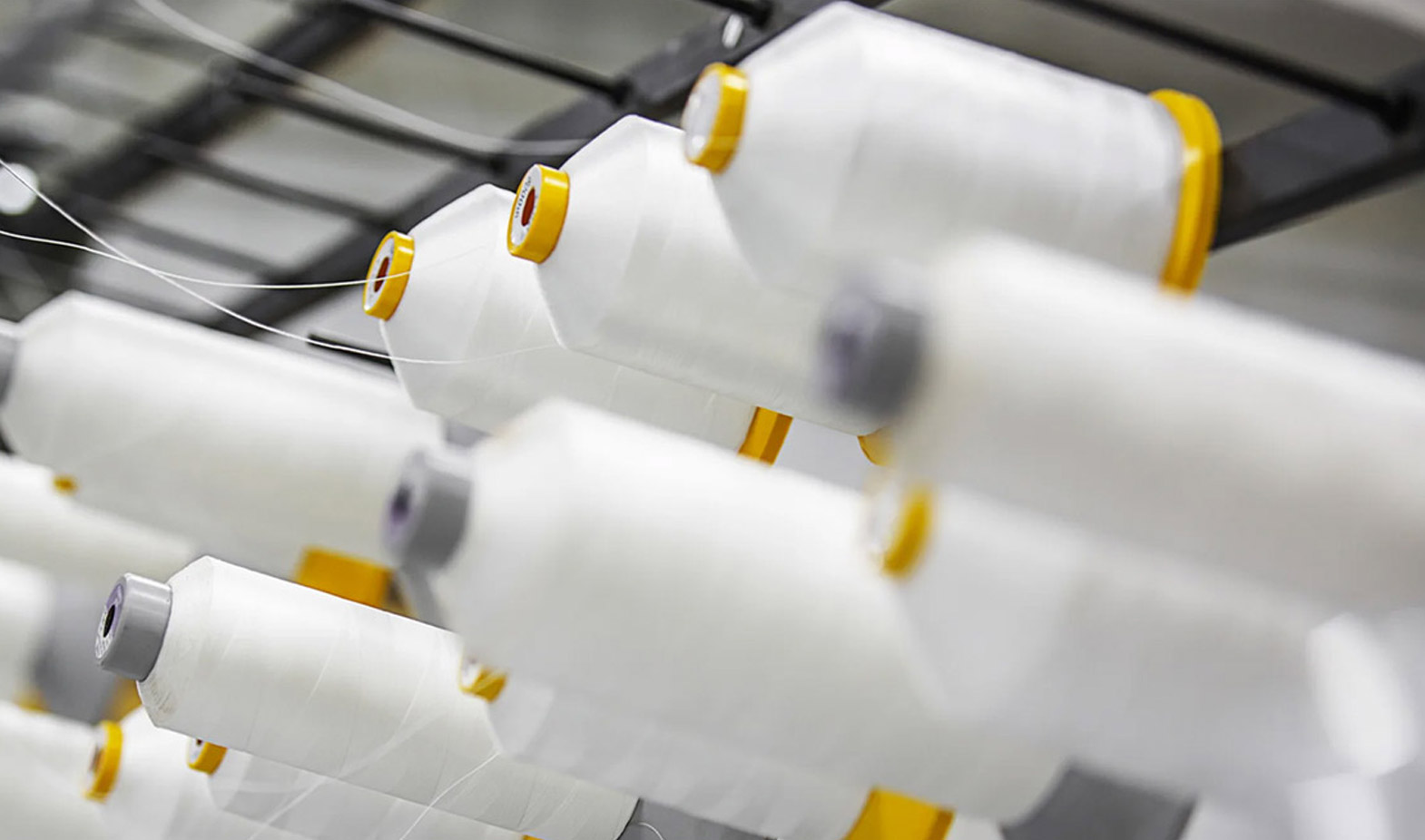
In the textiles industry, compressed air is used across multiple stages of textile production, including spinning, weaving, dyeing, and finishing.
Many textile applications depend on high-speed air flow to operate machines such as:
· Air jet looms
· Yarn spinning equipment
· Automated handling systems
Because these processes run continuously, choosing the right air compressors has a direct impact on efficiency and cost.
Textile machines, especially air jet looms, require high speed airflow to maintain productivity.
· Stable airflow ensures consistent fabric quality
· Pressure fluctuations can lead to defects or downtime
Maintaining high quality air is important in textile production.
· Prevents contamination of fabrics
· Protects sensitive machinery
· Supports consistent output
In some cases, achieving class 0 air purity is recommended, especially for high-end textile products.
Textile factories often run 24/7, requiring compressors that can operate continuously without performance drops.
Energy consumption is a major cost factor in textile manufacturing. Efficient systems help reduce operating expenses and improve overall productivity.
Rotary screw and screw compressors are widely used in textile plants.
· Suitable for continuous operation
· Provide stable airflow
· Reliable for large-scale production
Centrifugal compressors are used in large facilities with high air demand.
· Handle large volumes of air
· Efficient at high capacity
· Suitable for centralized systems
An oil free compressor ensures clean air supply.
· Prevents contamination of textile materials
· Supports high air quality standards
· Suitable for sensitive textile applications
Using variable speed drive technology allows compressors to adjust output based on demand.
· Reduces energy waste
· Matches airflow to production needs
· Improves overall energy efficiency
Modern free technologies eliminate the need for oil in the compression process.
· Reduce maintenance
· Improve air purity
· Lower risk of contamination
Air dryers remove moisture from compressed air.
· Prevent damage to equipment
· Maintain consistent air quality
· Improve system reliability
Optimizing the entire compressed air system helps:
· Reduce waste
· Improve airflow distribution
· Lower energy consumption
Energy-efficient systems are more cost effective, reducing electricity bills over time.
Stable and reliable compressed air supports smooth textile manufacturing processes.
Consistent air supply minimizes interruptions in textile production.
Clean and stable air improves fabric consistency and reduces defects.
Understand the required airflow for your machines, especially air jet systems.
· Continuous operation → rotary screw compressors
· Large-scale systems → centrifugal compressors
· Clean air requirements → oil free compressor
Choose systems with variable speed drive to optimize performance and reduce energy use.
Ensure your system includes:
· Air dryers
· Filters
· Storage tanks
Inefficient systems increase energy costs. Upgrading to modern compressors can improve energy efficiency.
Without proper drying and filtration, compressed air can affect fabric quality.
Fluctuating pressure can disrupt production and reduce output quality.
Rotary screw compressors are commonly used due to their reliability and ability to support continuous operation.
Energy costs are a major part of textile production, and efficient compressors help reduce overall expenses.
Oil-free compressors are recommended for applications where air quality affects product quality.
Air dryers remove moisture from compressed air, preventing equipment damage and maintaining air quality.
Yes, variable speed drive compressors adjust output based on demand, reducing energy waste and improving efficiency.
Air compressors are a key part of textile manufacturing, supporting high-speed production and consistent quality. By selecting energy-efficient solutions such as rotary screw compressors, oil-free technologies, and variable speed drive systems, textile manufacturers can reduce costs, improve performance, and maintain reliable operation across their production lines.