Air compressors are essential tools for many industries, from automotive workshops to manufacturing facilities. However, like any mechanical equipment, they can encounter issues. Knowing how to troubleshoot these problems can save time, reduce maintenance costs, and ensure continuous operation. In this guide, we cover common air compressor problems, including compressor not building pressure, and provide practical solutions.
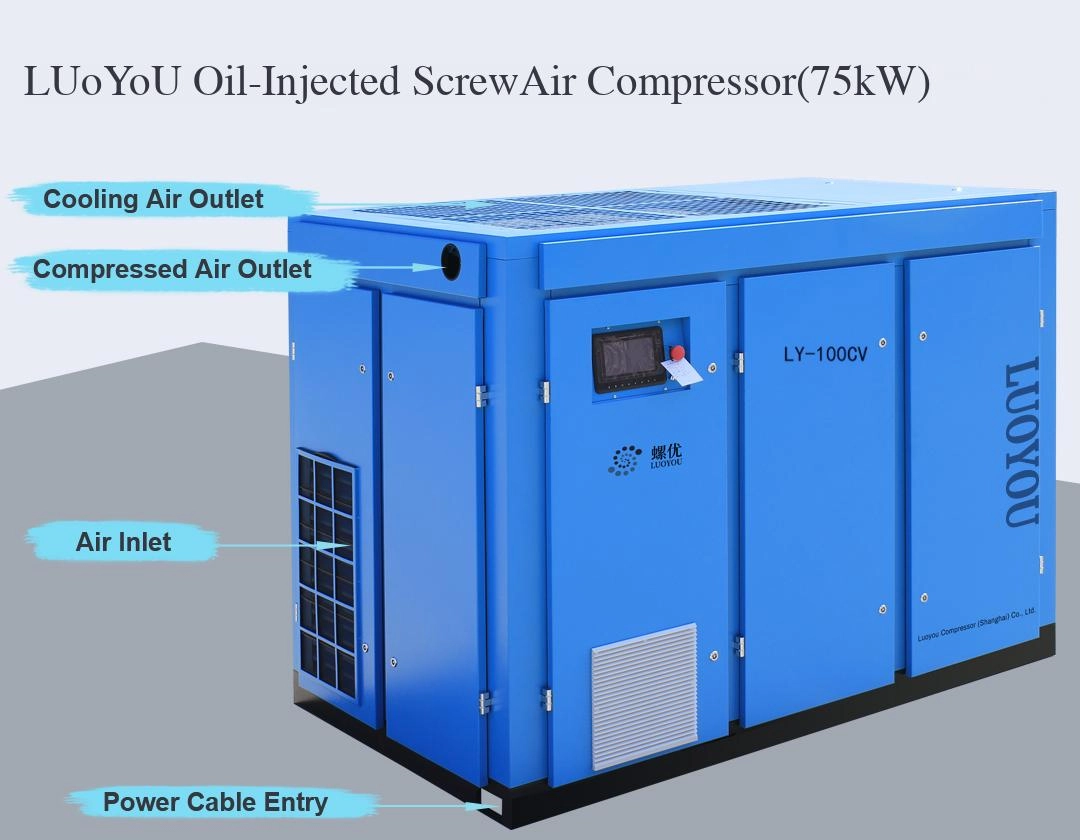
One of the most frequent issues is when the compressor runs but fails to build enough air pressure. This can affect your tools and production processes.
Possible Causes and Solutions:
· Air Leaks:
Check hoses, connections, and fittings for leaks. Use a soap-and-water solution to spot bubbles indicating escaping air.
· Faulty Pressure Switch:
The pressure switch controls when the compressor stops and starts. If it’s malfunctioning, the compressor may not reach the required pressure. Test and replace if necessary.
· Worn or Damaged Valves:
Intake or discharge valves may wear out, preventing proper compression. Inspect and replace damaged valves.
· Clogged Air Filter:
A dirty air filter reduces airflow, making it harder for the compressor to build pressure. Clean or replace filters regularly.
If your compressor fails to start, the issue could be electrical or mechanical.
Troubleshooting Tips:
· Ensure the compressor is plugged in and switched on.
· Check circuit breakers and fuses.
· Inspect the motor and wiring for damage.
· Test the thermal overload switch, which may have tripped.
Loud noises or unusual vibrations can indicate mechanical issues.
Possible Causes:
· Loose bolts or mounting hardware
· Worn bearings
· Pistons or screws needing lubrication
Solutions:
Tighten bolts, replace worn parts, and maintain proper lubrication according to the manufacturer’s guidelines.
Overheating reduces efficiency and can damage the compressor.
Causes and Fixes:
· Insufficient ventilation — move the unit to a well-ventilated area
· Dirty cooling fins — clean them regularly
· Low oil level in lubricated compressors — check and top up oil
Excess moisture can damage tools and affect processes.
Solutions:
· Install an air dryer or moisture separator
· Drain the tank regularly
· Check for leaks in condensate lines
If the compressor turns on and off too often:
· Inspect the tank pressure gauge for accuracy
· Check for leaks
· Ensure the pressure switch is set correctly
Q1: How do I know if my compressor isn’t building pressure correctly?
A1: Signs include slow tool operation, frequent motor cycling, or a pressure gauge that never reaches the set point.
Q2: Can an air leak really cause low pressure?
A2: Yes. Even small leaks in hoses or fittings can significantly reduce pressure output.
Q3: How often should I service my air compressor?
A3: Regular maintenance depends on usage, but a general guideline is every 3–6 months for filters, oil changes, and inspections.
Q4: Can I fix a faulty pressure switch myself?
A4: Only if you have electrical knowledge. Otherwise, consult a professional to avoid injury or damage.
Proper troubleshooting helps maintain the performance and lifespan of your air compressor. Regular maintenance, monitoring air pressure, and addressing issues early can prevent downtime and costly repairs. If problems persist, seek professional assistance to ensure safety and efficiency.