Compressed air is often called the “fourth utility” in manufacturing, yet it is one of the most expensive forms of energy used in industry. In many factories, the compressed air system accounts for a large portion of electricity use. Small inefficiencies can have a big impact on annual energy costs.
This guide explains how to reduce energy consumption, improve efficiency, and lower operating expenses while maintaining reliable compressed air performance.
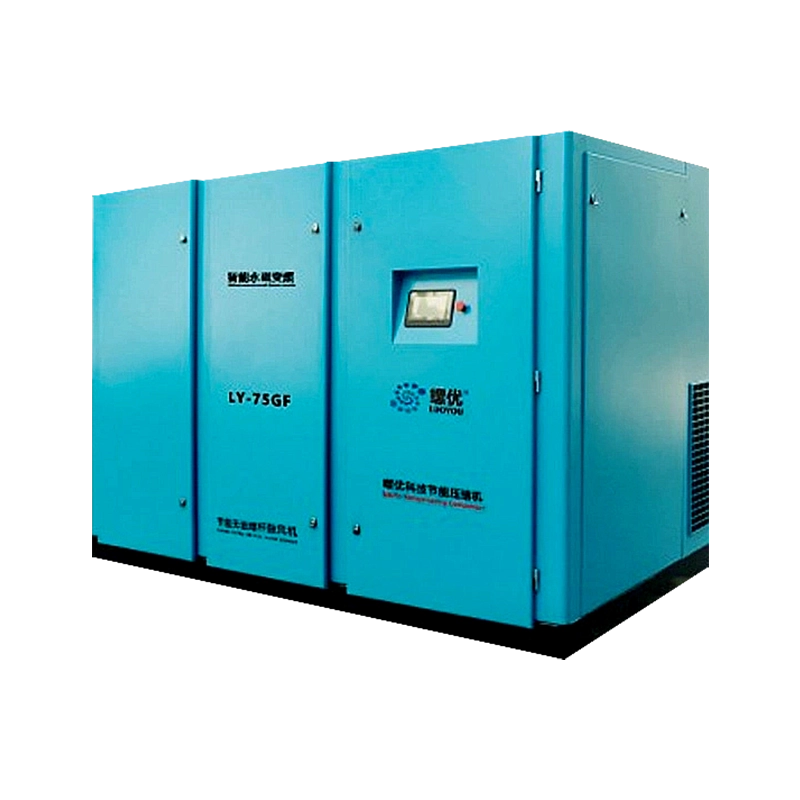
Air compressors convert electrical energy into compressed air. During this process, a significant amount of energy is lost as heat. Inefficiencies in system design, leaks, pressure drop, and poor control strategies increase operating costs.
In many facilities:
· Up to 30% of compressed air is lost due to leaks
· Improper pressure settings increase electricity use
· Outdated equipment runs inefficiently
Improving efficiency can deliver substantial energy savings without major production changes.
Air leaks are the most common source of wasted energy.
Even a small leak can cost thousands of dollars annually. A single 3 mm leak can waste more than 1 kW of electricity continuously.
How to detect leaks:
· Listen for hissing sounds during quiet hours
· Use ultrasonic leak detectors
· Apply soap solution to fittings and observe bubbles
Action steps:
· Repair hoses, fittings, and valves
· Replace worn seals
· Schedule routine leak inspections
Leak repair is often the fastest way to reduce compressor energy cost.
Many facilities operate at higher pressure than required. Every 1 bar increase in pressure can raise energy consumption by about 7%.
High pressure also increases:
· Air leaks
· Equipment wear
· Maintenance costs
How to optimize air pressure:
· Identify the minimum pressure required by equipment
· Reduce compressor setpoints gradually
· Install pressure regulators for specific applications
Reducing unnecessary pressure has a big impact on energy efficient operation.
Pressure drop forces compressors to work harder to maintain required pressure.
Common causes include:
· Undersized piping
· Dirty filters
· Long pipe runs
· Too many bends and connectors
Solutions:
· Use larger diameter pipes
· Replace clogged filters regularly
· Simplify piping layout
· Install loop piping systems
Reducing pressure drop helps optimize air delivery and reduces electricity use.
A variable speed drive compressor automatically adjusts output to match demand.
Traditional compressors operate at full speed even when demand is low. This wastes energy during partial load conditions.
A VSD unit:
· Matches air supply to real-time demand
· Reduces unloading losses
· Minimizes start-stop cycles
· Provides major energy savings
Facilities with fluctuating air demand can often reduce compressor electricity use by 20–35% after switching to VSD technology.
Insufficient air storage causes compressors to cycle frequently, increasing wear and electricity use.
Installing additional air receivers:
· Stabilizes system pressure
· Reduces compressor cycling
· Improves system efficiency
Proper storage helps balance supply and demand.
Nearly 90% of compressor energy becomes heat. This heat can be reused for:
· Space heating
· Water heating
· Industrial processes
Heat recovery can offset other energy expenses and reduce total facility energy consumption.
Poor maintenance leads to increased power consumption.
Key maintenance tasks:
· Replace air filters
· Check lubrication levels
· Inspect belts and motors
· Clean coolers and ventilation paths
Well-maintained air compressors operate more efficiently and last longer.
An energy audit identifies hidden inefficiencies in the compressed air system.
An audit evaluates:
· Air demand patterns
· Leak rates
· Pressure settings
· Equipment efficiency
The results provide a roadmap to reduce energy consumption across the entire system.
Most facilities can reduce energy use by 20–40% through leak repair, pressure optimization, and system upgrades.
Compressed air is inefficient to produce. Only a small portion of electrical energy becomes usable air, while the rest is lost as heat.
Yes. Facilities with fluctuating demand often see significant reductions in electricity usage and lower operating costs.
A basic inspection should be done monthly, while a full system audit is recommended annually.
Reducing air compressor energy consumption does not always require large investments. Fixing leaks, lowering pressure, reducing pressure drop, and upgrading to a variable speed drive compressor can deliver strong energy savings and lower operating costs.
With the right strategy, your compressed air system can become more efficient, reliable, and cost-effective.