A reliable compressed air system depends on consistent servicing. Without proper care, wear and tear, clogged filters, and air leaks can increase downtime and lead to higher energy use. A structured air compressor maintenance checklist helps prevent unexpected failures, control energy costs, and extend equipment life.
This guide covers daily, weekly, and monthly maintenance tasks for both rotary screw and other compressor types.
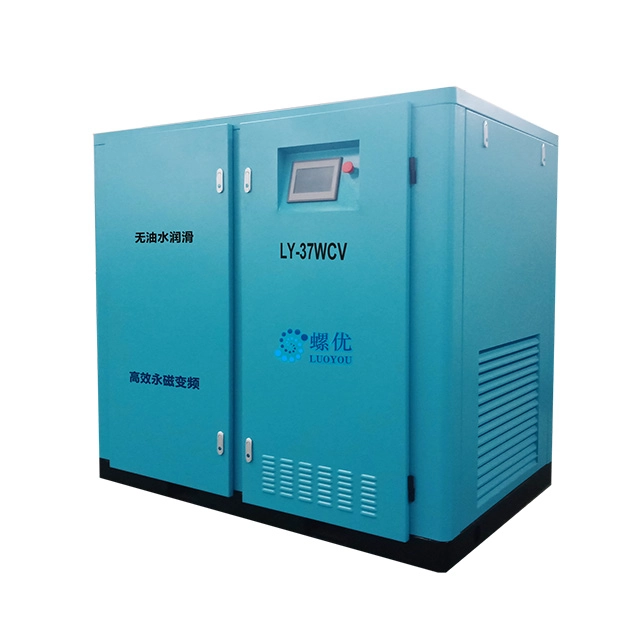
Routine servicing keeps your air compressor model operating safely and efficiently. Neglecting regular maintenance can lead to:
· Increased electricity consumption
· Poor compressed air quality
· Shortened equipment lifespan
· Unexpected production downtime
A simple preventative maintenance routine can detect minor issues before they become costly repairs.
Daily checks take only a few minutes but help identify problems early.
For lubricated compressors, inspect oil levels before operation.
· Low oil causes overheating and premature wear
· Overfilled oil can damage internal components
Follow the manufacturer’s recommended oil range.
Leaks waste energy and reduce system performance.
Listen for:
· Hissing sounds around fittings
· Leaking hoses or connectors
· Pressure drops during operation
Repair leaks quickly to keep the compressed air system efficient.
Condensation builds up daily in air receivers.
Drain tanks to:
· Prevent corrosion
· Improve air quality
· Protect downstream equipment
Unusual noises may indicate mechanical problems.
Watch for:
· Grinding or knocking
· Excess vibration
· Sudden changes in sound
These signals often point to minor issues that need attention.
Weekly inspections focus on filtration, safety, and airflow.
Dirty air filters restrict airflow and increase power consumption.
Signs of clogged filters:
· Reduced airflow
· Higher operating temperature
· Increased energy use
Replace or clean filters regularly.
Dirty oil filters reduce lubrication efficiency and increase wear.
Replace oil filters according to service intervals.
Look for:
· Cracks
· Misalignment
· Loose tension
Worn belts can cause inefficiency and unexpected shutdowns.
Relief valves protect the system from overpressure.
Ensure they:
· Open at the correct pressure
· Are free of debris
· Reset properly after testing
Safety components must remain fully functional.
Monthly tasks focus on performance and long-term reliability.
Check:
· Pipes and fittings
· Pressure gauges
· Drain valves
Look for corrosion, leaks, or damaged components.
Loose connections can cause overheating and failures.
Inspect:
· Wiring terminals
· Motor connections
· Control panels
Monitor power consumption trends. Rising electricity usage often signals maintenance issues.
Poor maintenance leads to:
· Higher energy costs
· Reduced compressor efficiency
· Increased wear
Dust and debris reduce cooling efficiency.
Clean:
· Cooling fins
· Radiators
· Ventilation areas
Proper cooling improves performance and lifespan.
To improve reliability:
· Keep maintenance logs
· Follow manufacturer service intervals
· Use genuine replacement parts
· Schedule professional servicing annually
Preventative care helps avoid expensive downtime and keeps equipment operating smoothly.
Daily visual checks, weekly filter inspections, and monthly system reviews are recommended for most facilities.
Clogged filters reduce airflow, increase energy consumption, and cause overheating.
Air leaks waste compressed air and increase electricity costs.
Yes. Proper servicing improves efficiency and reduces unnecessary power consumption.
A structured compressor maintenance checklist helps prevent failures, reduce downtime, and control operating expenses. Following daily, weekly, and monthly routines keeps your air compressor maintenance program effective and ensures long-term reliability.