In the food and beverage industry, air compressors must deliver clean, dry, and oil-free compressed air to prevent contamination. Oil-free air compressors are commonly used in food processing and packaging because they eliminate the risk of oil entering food products and help maintain high air quality standards.
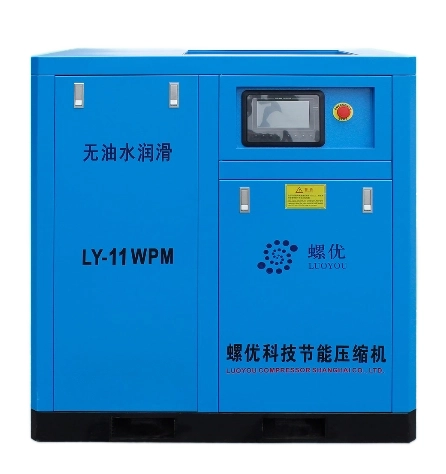
Compressed air is widely used across applications for food, including processing, conveying, cleaning, and food packaging. In many cases, compressed air comes into contact high risk zones where it may directly or indirectly touch food products.
Because of this, the compressed air system must meet strict hygiene requirements. Poor air quality can lead to contamination, production issues, or even a product recall, which can affect brand reputation and compliance.
A food grade air compressor is designed to produce high quality compressed air that is safe for use in food-related processes.
These systems typically include:
· Oil free air compressors
· Air dryers to remove moisture
· High-efficiency filtration systems
· Monitoring equipment to maintain standards
The goal is to ensure that the food grade air used in production is free from oil, particles, and moisture.
Traditional lubricated compressors use oil for lubrication, which can enter the air stream. In food processing, even small amounts of oil can contaminate products.
Using oil free compressed air eliminates this risk and supports compliance with food safety standards.
Safe air compressors are essential in environments where air comes into direct or indirect contact with food.
Industries rely on oil free air compressors to:
· Maintain hygiene
· Avoid contamination
· Protect consumer health
Food manufacturers must comply with strict regulations. Using grade air compressors helps meet required air purity levels and reduces the chance of operational issues.
· No oil in the compression chamber
· Suitable for sensitive applications for food
· Provide clean and dry air
The rotary screw air compressor is commonly used in food production due to its reliability.
· Continuous operation
· Stable airflow
· Often available in oil-free configurations
A beverage air compressor is used in bottling and beverage production.
· Supports filling and packaging
· Ensures clean air supply
· Often integrated with filtration and drying systems
Air compressors in the food and beverage industry are used in multiple stages:
· Mixing and blending
· Ingredient transport
· Cleaning equipment
· Sealing packages
· Vacuum packaging
· Labeling and sorting
Compressed air is also used for nitrogen generation, which helps preserve food by reducing oxygen levels in packaging.
To ensure high quality compressed air, systems must control:
· Oil content
· Moisture levels
· Particles and contaminants
Failure to meet these standards can result in:
· Contamination of food products
· Equipment damage
· Increased maintenance costs
· Risk of product recall
Choose oil free air compressors for any application where air may contact food.
Understand the required level of food grade air based on your process.
A complete compressed air system should include:
· Compressor
· Dryer
· Filters
· Monitoring devices
Look for systems designed for continuous operation with stable performance.
· Using lubricated compressors without proper filtration
· Ignoring air quality standards
· Underestimating the importance of dry air
· Not maintaining the system regularly
These mistakes can lead to contamination and production downtime.
A food grade air compressor produces clean, oil-free compressed air suitable for food processing and packaging applications.
They eliminate the risk of oil contamination and help maintain high air quality standards required for food safety.
They can be used with advanced filtration, but oil-free compressors are generally preferred to avoid contamination risks.
Compressed air is used in processing, cleaning, packaging, and nitrogen generation.
Contaminated air can affect food quality, damage equipment, and lead to product recalls.
In the food and beverage industry, maintaining clean and safe compressed air is essential for product quality and compliance. Oil-free air compressors provide a reliable solution by eliminating the risk of contamination and ensuring consistent air quality. By selecting the right system and maintaining proper standards, manufacturers can support efficient production and protect their products.