Air compressors are widely used in industrial plants, workshops, and production facilities, but air compressor noise can become a constant issue in working environments. High noise levels affect communication, operator comfort, and even compliance with workplace safety standards. Reducing industrial noise requires a combination of design choices, equipment upgrades, and proper installation methods.
This guide explains practical noise control methods, how to identify noise sources, and how to improve overall acoustical performance in compressed air systems.
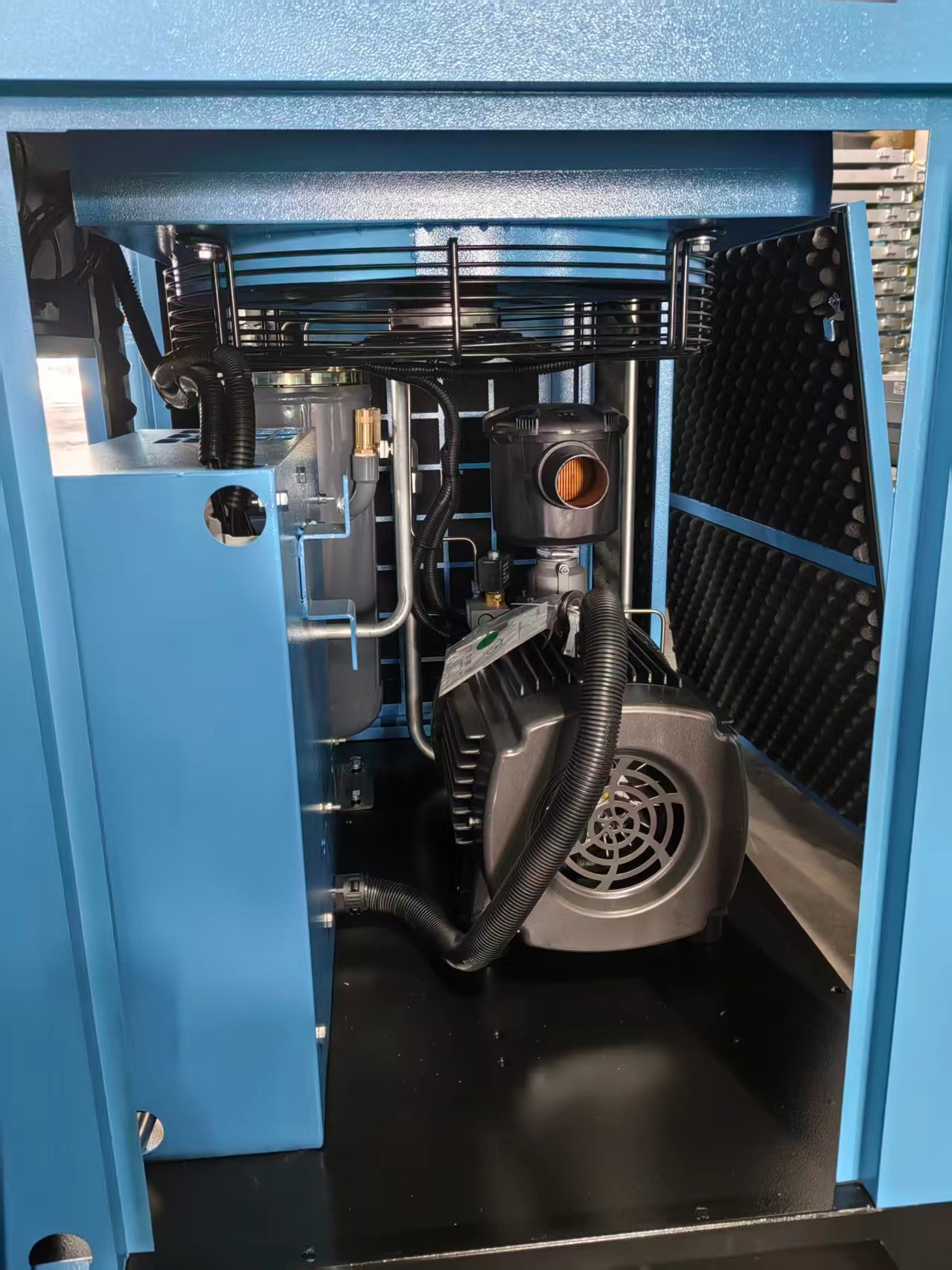
Before applying noise reduction methods, it is important to understand where compressor noise comes from:
· Intake air turbulence
· Mechanical movement inside the compressor
· Cooling fans and exhaust systems
· Pressure release valves
· Pipe vibration and resonance
Each of these noise sources contributes to different levels of noise, depending on compressor type and operating conditions.
One of the most effective methods to reduce noise levels is using acoustic enclosures.
A sound enclosure surrounds the compressor and absorbs or blocks sound waves before they spread into the environment.
· Layered acoustic panels for sound absorption
· Insulated enclosure designs to block vibration noise
· Sealed structure to reduce sound leakage
· Integrated access doors for maintenance
These noise enclosures are commonly used in factories where compressors operate near working areas or control rooms.
A large portion of equipment noise comes from vibration rather than airborne sound.
· Installing vibration isolation pads under the compressor
· Using flexible pipe connectors to reduce transmission
· Mounting equipment on reinforced foundations
· Adding dampers to reduce mechanical movement
Proper vibration control reduces structural noise that travels through floors and walls.
In some facilities, full enclosures are not practical. Instead, noise barriers or barrier walls are used.
· Blocks direct sound paths
· Reduces reflected noise in open spaces
· Flexible installation around existing equipment
These systems are often used in large industrial plants where multiple compressors operate simultaneously.
While sealing equipment reduces noise, compressors still require cooling. This is where ventilation systems become important.
A well-designed system ensures:
· Proper airflow inside acoustic enclosures
· Heat removal without increasing levels of noise
· Stable compressor performance
Poor ventilation can lead to overheating, which increases both wear and compressor noise.
Some facilities place compressors in dedicated rooms instead of open spaces.
· Sound-absorbing wall materials
· Proper layout of intake and exhaust paths
· Separation from control rooms and work areas
· Use of acoustic panels on ceilings and walls
A well-designed room significantly improves overall noise control and workplace comfort.
Noise levels can also be reduced by choosing the right equipment and maintaining it properly:
· Low-noise compressor models
· Balanced rotating components
· Regular maintenance of bearings and valves
· Replacement of worn parts causing excess vibration
Well-maintained equipment produces lower industrial noise over time.
Compressed air piping can amplify noise if not properly designed.
· Use flexible connections to reduce vibration transfer
· Avoid sharp bends that increase turbulence
· Secure piping to reduce rattling
· Install silencers on exhaust outlets
This helps reduce both airborne and structural noise.
Positioning matters:
· Place compressors away from control rooms
· Use distance as a natural sound reduction method
· Combine spacing with noise barrier systems for better results
Even small layout adjustments can significantly reduce perceived noise levels.
Main sources include mechanical movement, airflow turbulence, vibration, cooling fans, and pressure release systems.
Using acoustic enclosures combined with vibration isolation and proper ventilation gives the best results.
Yes, acoustic panels absorb sound waves and reduce reflections, improving overall acoustical performance in compressor rooms.
Yes, vibration is a major contributor to equipment noise, especially when transferred through floors or piping systems.
Yes, modern compressors are designed with improved insulation, better airflow control, and reduced internal vibration.
Reducing air compressor noise requires a combination of engineering solutions, including acoustic enclosures, vibration control, and optimized system layout. When properly designed, a compressed air system can operate with significantly lower industrial noise, improving working conditions and maintaining system efficiency.