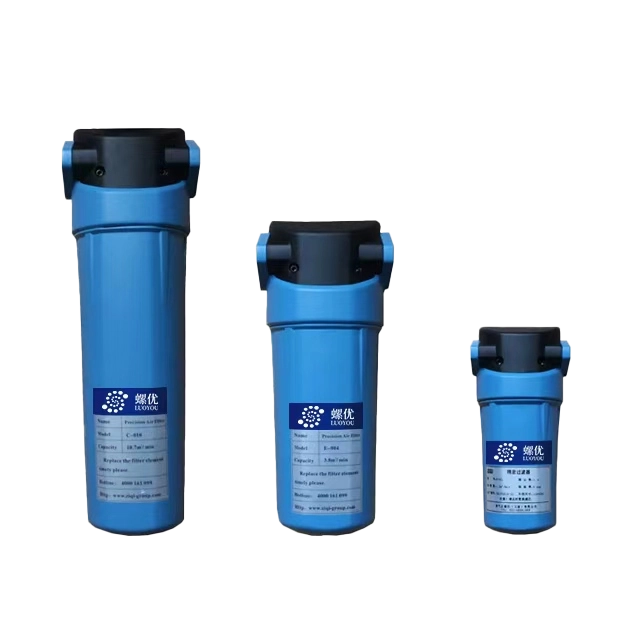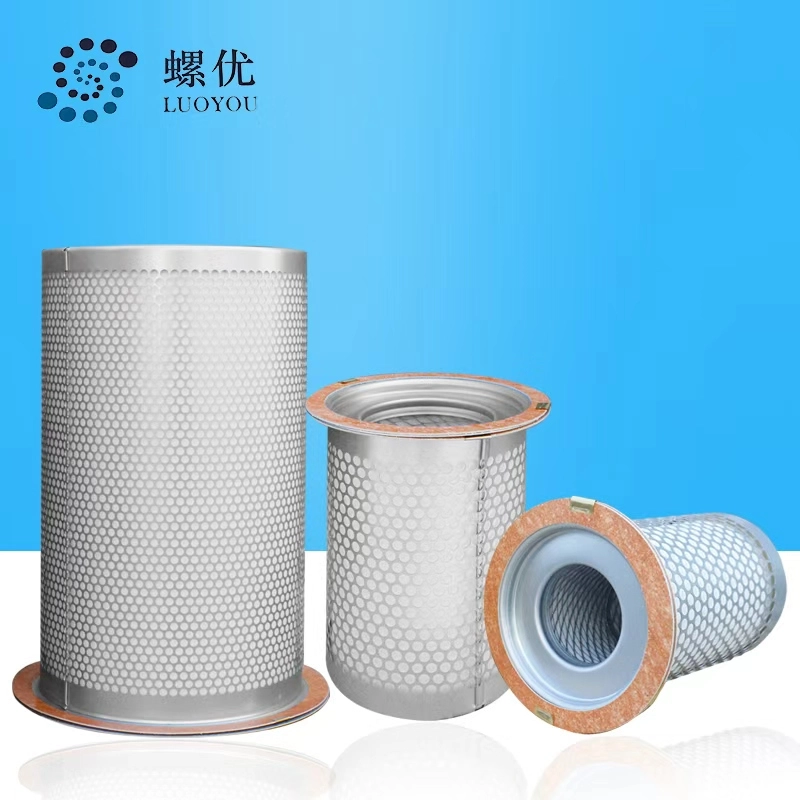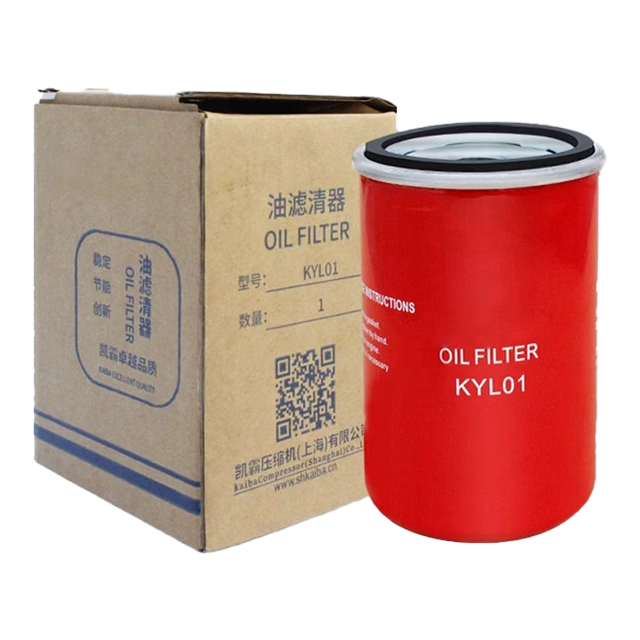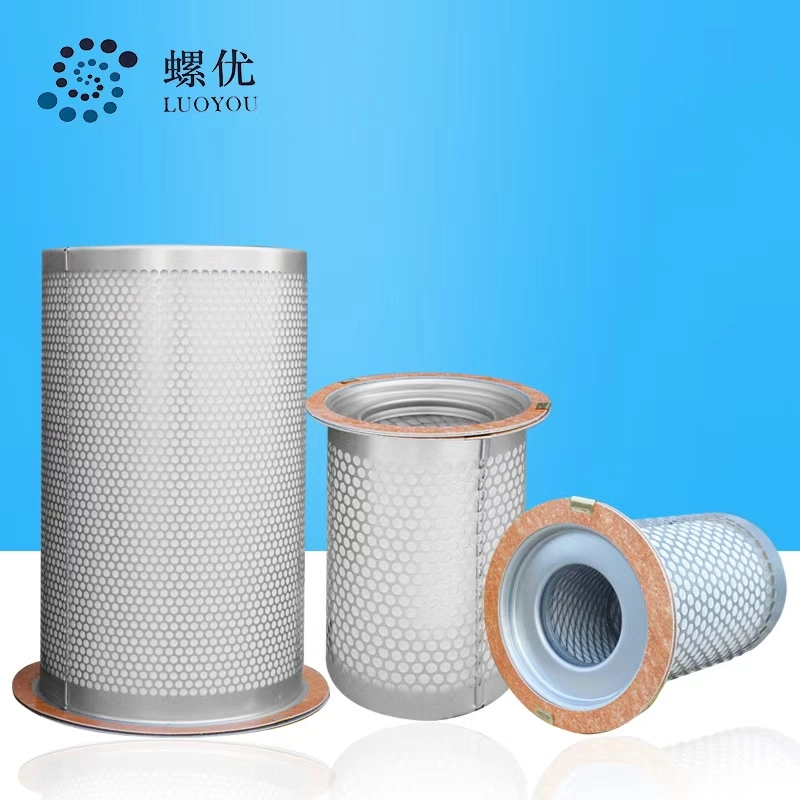
The separator operates on a multi-stage filtration process to capture oil droplets of all sizes:
Primary Separation: Oil-laden compressed air or gas enters the separator, where centrifugal force removes larger oil droplets. This initial stage reduces the load on subsequent filters, ensuring long-term efficiency.
Micro-Filtration: The air then passes through a specialized filtration media designed to trap micro-sized droplets (as small as 0.1 microns). The media’s structure encourages droplets to coalesce into larger masses.
Oil Reclamation: Coalesced oil droplets fall into a collection chamber due to gravity. The reclaimed oil is then returned to the system’s lubrication circuit for reuse, while clean, oil-free air or gas exits the separator for downstream applications. This closed-loop process minimizes oil loss and maximizes air purity.
Product Overview
The High-Efficiency Air & Oil Separator is a critical component for industrial fluid systems, designed to separate oil droplets from compressed air or gas and reclaim lubricating oil for recirculation. It addresses the dual challenges of maintaining air purity and reducing oil waste—protecting downstream equipment from oil contamination while cutting operational costs. Unlike standard separators, it uses advanced filtration technology to achieve ultra-high separation efficiency, making it essential for compressors, hydraulic systems, vacuum pumps, and turbo-machinery. It also helps businesses meet global environmental standards by minimizing oil discharge.
Functionality
The High-Efficiency Air & Oil Separator delivers three core functions for industrial systems:
Ultra-Clean Air/Gas Output: It removes over 99.9% of oil droplets, ensuring downstream equipment (e.g., valves, cylinders, or sensitive instruments) is not damaged by oil contamination.
Oil Reclamation: By recycling separated oil, it reduces the need for new oil purchases and eliminates waste oil disposal costs—improving both economic and environmental sustainability.
Low Pressure Drop: Its optimized design maintains minimal pressure loss even at maximum flow rates, ensuring the system’s overall efficiency is not compromised.
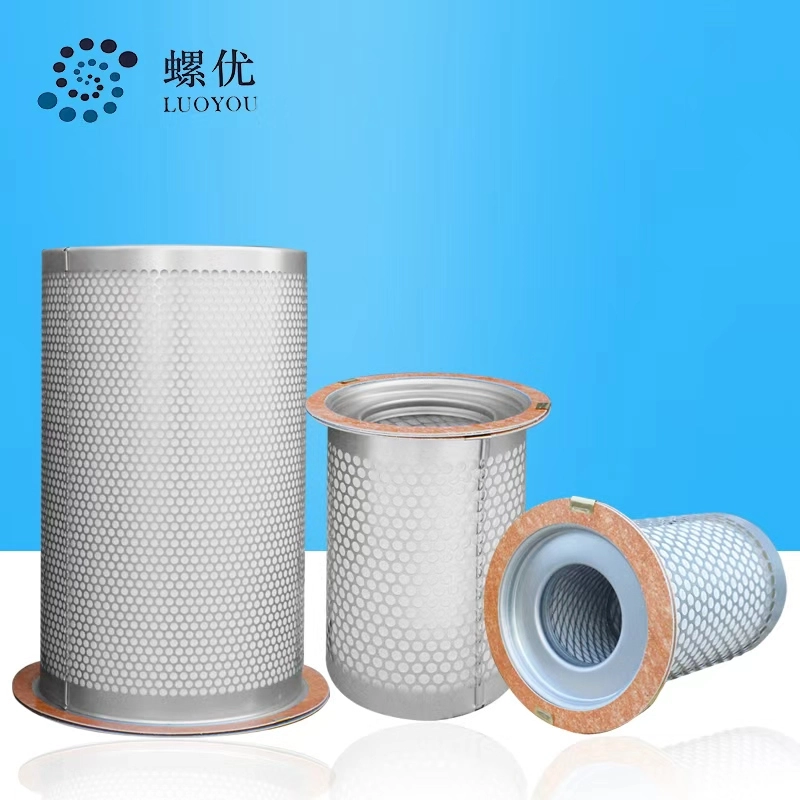
The separator offers distinct benefits over standard models:
Exceptional Separation Efficiency: It exceeds industry benchmarks, with oil carryover as low as 3 ppm—critical for industries like semiconductors or pharmaceuticals where even trace oil is unacceptable.
Durable Construction: The corrosion-resistant housing (made from aluminum alloy or stainless steel) withstands harsh conditions, including temperatures from -10°C to 120°C and pressures up to 10 bar.
Low Maintenance: The filtration media is easy to replace, and the collection chamber requires minimal cleaning—reducing downtime and maintenance costs.
Customizability: It is available in a range of port sizes (½”–4”) and configurations (inline, vertical, horizontal) to fit different system layouts and flow rates (5–500 Nm³/h).
Compliance: It meets ISO 8573-1 and CE standards, ensuring compatibility with global industrial regulations.
| How does oil reclamation benefit my operation? Oil reclamation reduces costs by cutting new oil purchases and waste disposal fees. It also ensures consistent lubrication quality, as reclaimed oil is clean and compatible with your system—extending the life of pumps, rotors, and other components. | Can the separator handle high-temperature air or gas? Yes, the High-Efficiency Air & Oil Separator is designed to operate in temperatures up to 120°C. Its heat-stable filtration media and corrosion-resistant housing maintain performance even in high-temperature environments like turbo-machinery or industrial ovens. |
| How often should the filtration media be replaced? Replacement frequency depends on usage (e.g., air flow volume, initial oil content), but the media typically lasts several months in standard industrial settings. Monitoring pressure drop across the separator (a sign of clogged media) is the best way to determine when replacement is needed—an easy process with the separator’s accessible filter housing. | Is it compatible with different types of lubricating oil? Yes, the separator works with most industrial oils, including mineral oils, synthetic oils, and biodegradable oils. The filtration media is designed to handle varying viscosities and chemistries, ensuring effective separation regardless of the oil used. For specialized oils, custom media options are available. |