Understanding how to calculate CFM is one of the key steps in selecting and operating an efficient compressed air system. In industrial environments, correct sizing affects tool performance, energy use, and overall compressor performance.
CFM (cubic feet per minute) is the most common measurement used in air compressor sizing, and it directly impacts whether an air system can support production demands.
This guide explains how CFM cubic feet per minute is calculated, how it relates to PSI, and how to use it when selecting the right compressor for industrial applications.
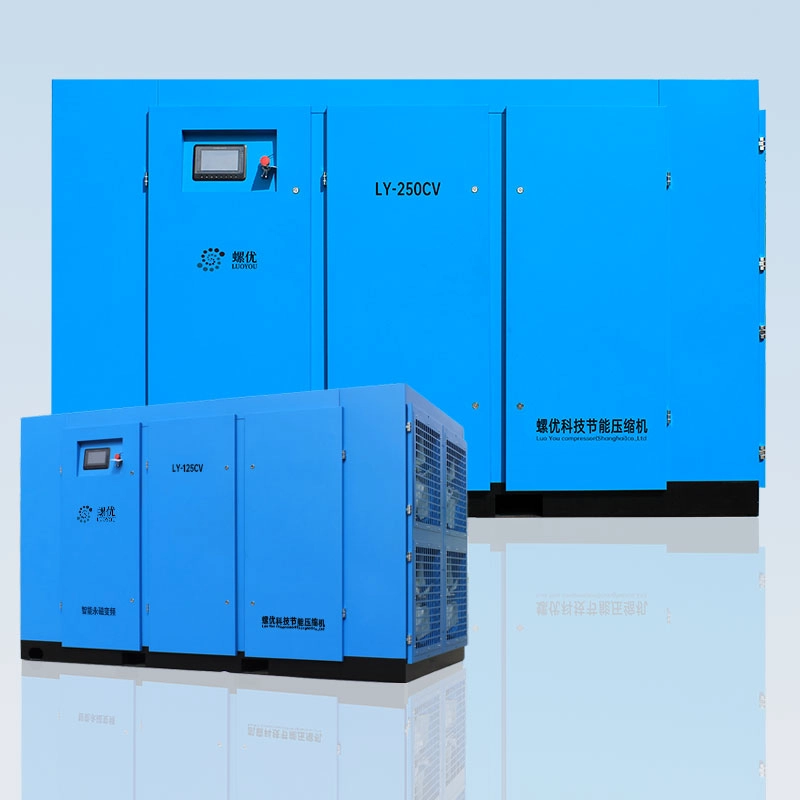
CFM measures the volume of air delivered by a compressor in one minute.
It stands for:
Cubic Feet Per Minute (CFM)
CFM represents the actual air volume available for air tools, machines, and processes in a compressed air system.
· Higher CFM = more air flow
· Lower CFM = limited tool performance
· Insufficient CFM = pressure drops and unstable operation
CFM and PSI work together but measure different things:
· CFM (flow rate): how much air moves
· PSI (pressure): how strongly air is compressed
PSI (pounds per square inch) increases resistance in the system. When PSI increases, usable airflow (air flows) may decrease and vice versa depending on system demand.
This relationship is important when properly sizing an air compressor.
Start by listing all common tools used in your facility.
Typical air tools include:
· Impact wrenches
· Spray guns
· Drills
· Sanders
· Pneumatic actuators
Each tool has a required CFM rating at a specific PSI level.
Example:
| Tool | PSI | CFM |
| Impact wrench | 90 PSI | 5–8 CFM |
| Spray gun | 40–60 PSI | 6–12 CFM |
| Air grinder | 90 PSI | 4–6 CFM |
To calculate total demand:
Total CFM = Sum of all running air tools
If multiple tools run at the same time, include all active loads.
Example:
· Tool A = 6 CFM
· Tool B = 8 CFM
· Tool C = 10 CFM
Total = 24 CFM
Industrial systems rarely run at constant load.
A typical safety margin is:
· +20% to +30%
So:
24 CFM × 1.25 = 30 CFM required capacity
This helps maintain stable performance under fluctuating demand.
Air leaks are a major factor in compressed air loss.
Common leak sources:
· Pipe joints
· Valves
· Couplers
· Hose fittings
Even small leaks can reduce system efficiency and increase required compressor capacity.
Many facilities underestimate this part when doing air compressor cfm calculator estimates.
CFM is measured under standard atmospheric pressure conditions.
However, real systems vary based on:
· Altitude
· Temperature
· Humidity
· Intake conditions
These factors can affect compressor output and must be considered in industrial environments.
Rotary screw compressors are widely used in industrial applications because they provide stable airflow.
Advantages:
· Continuous air delivery
· Stable pressure output
· Suitable for varying load conditions
· Better efficiency in large systems
They are often selected when consistent CFM output is required across multiple production lines.
When performing air compressor sizing, consider:
· Total CFM demand
· Required PSI level
· Duty cycle
· Air storage tank size
· System pressure losses
· Future expansion
Proper sizing prevents:
· Pressure drops
· Tool inefficiency
· Excess energy use
· Compressor overload
Air flow rate determines how quickly compressed air moves through the system.
Key factors affecting air flow:
· Pipe diameter
· System layout
· Valve restrictions
· Filter condition
Poor design reduces available CFM even if compressor capacity is sufficient.
An air compressor cfm calculator simplifies sizing by:
· Summing tool consumption
· Adding safety margins
· Estimating system losses
However, manual verification is still recommended for industrial setups due to variable operating conditions.
Many industrial users make errors such as:
· Ignoring simultaneous tool usage
· Not accounting for air leaks
· Underestimating pressure drop
· Oversizing without demand analysis
· Using incorrect PSI ratings
These mistakes affect long-term compressor performance and energy efficiency.
When selecting the right compressor, follow these guidelines:
· Match compressor CFM with total demand
· Ensure stable PSI output
· Add buffer capacity for growth
· Reduce system air leaks
· Maintain proper filtration
This ensures consistent air delivery across all air tools.
CFM (cubic feet per minute) measures how much air a compressor can deliver over time.
Add the CFM requirements of all air tools, then include a 20–30% safety margin for system losses and future demand.
CFM determines whether an air compressor can support tools and production systems without pressure drops.
Yes. Higher PSI increases resistance in the system, which can reduce usable airflow if the compressor is not properly sized.
It depends on application, but most industrial systems range from 20 CFM to several hundred CFM depending on production scale.
Calculating CFM correctly is essential for designing an efficient compressed air system. By understanding tool requirements, accounting for air leaks, and evaluating system pressure, businesses can ensure stable airflow and reliable compressor performance. Proper air compressor sizing helps reduce downtime, improve tool efficiency, and support long-term industrial productivity.