Paint shops depend on stable compressed air to deliver consistent spray quality, smooth coating finishes, and efficient production flow. A spray painting compressor must supply clean air at stable pressure, especially when working with automotive refinishing, furniture coating, or industrial surface finishing.
Choosing between an oil free air compressor and oil lubricated compressors affects paint quality, maintenance requirements, and the risk of oil contamination. Proper sizing also determines whether spray guns operate smoothly under varying demand.
This guide explains how air compressors work in painting applications, compares oil-free vs oil-lubricated systems, and outlines sizing and maintenance practices for paint shop operations.
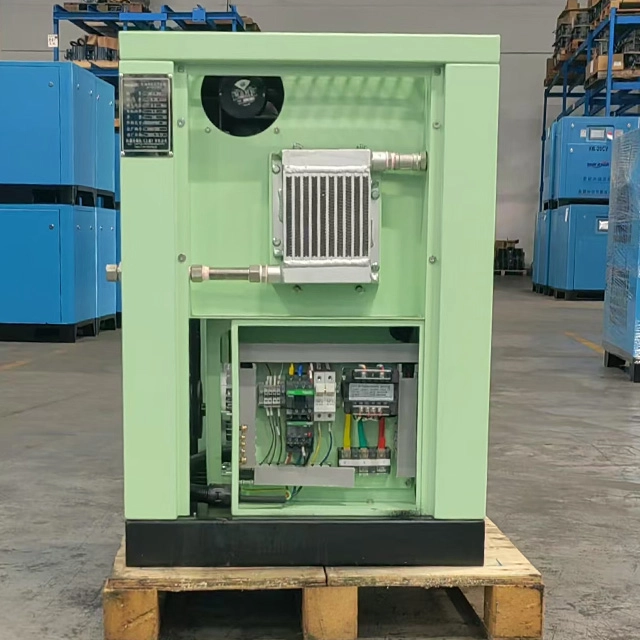
In painting applications, compressed air is used to atomize paint into fine droplets for even surface coverage.
Typical uses include:
· Spray painting guns
· Surface coating systems
· Air-assisted paint delivery
· Cleaning surfaces before painting
· Drying coated parts
If the air compressor for painting delivers unstable airflow or contaminated air, coating defects can appear, such as:
· Fish eyes
· Blistering
· Uneven coating thickness
· Dust inclusion
Stable air pressure and clean air supply are essential for consistent finishing quality.
An air compressor works by drawing in atmospheric air, compressing it, and delivering it at a higher specific pressure suitable for tools like spray guns.
Most paint systems require:
· Stable airflow
· Continuous pressure output
· Low moisture content
· Minimal oil content
Compressed air passes through:
· Compressor unit
· Air receiver tank
· Filters and dryers
· Spray gun regulator
This chain ensures clean air reaches the painting surface.
One of the most important decisions in paint shop systems is selecting between oil-free and oil-lubricated technology.
An oil free air compressor does not allow oil into the compression chamber.
Benefits:
· No risk of oil contamination
· Cleaner air for surface finishing
· Lower risk of paint defects
· Suitable for sensitive coatings
Oil free compressors require less concern about downstream oil separation, making them widely used in high-quality finishing applications.
Oil lubricated compressors use oil to reduce friction between moving parts inside the compression system.
Also called:
· Oil flooded systems
· Oil lubricated air compressor systems
Benefits:
· Lower initial cost
· Strong performance in heavy duty use
· Suitable for demanding industrial environments
However, they require:
· Oil separation filters
· Regular oil changes
· More frequent maintenance checks
There is always a risk of oil contamination if filtration is not properly maintained.
| Feature | Oil-Free Compressor | Oil-Lubricated Compressor |
| Air purity | High | Depends on filtration |
| Oil contamination risk | Very low | Higher |
| Maintenance requirements | Moderate | Higher |
| Cost | Higher initial | Lower initial |
| Best use case | Paint finishing, food, pharma | Industrial workshops, heavy duty |
In industries like food and beverage, oil-free systems are often preferred due to strict air purity requirements.
Proper maintenance requirements directly affect performance and paint quality.
· Filter replacement
· Air dryer inspection
· Pressure monitoring
· Leak detection
· Regular oil changes (oil for lubrication)
· Separator filter replacement
· Valve inspection
· Cooling system cleaning
Neglecting maintenance can increase energy consumption and reduce air quality.
Correct sizing ensures consistent airflow during spray operations.
· Air consumption of spray guns
· Duty cycle of painting operations
· Required pressure
· Number of operators
· Tank storage capacity
· Small paint shop: 10–30 CFM
· Auto body shop: 20–60 CFM
· Industrial coating line: 60–200+ CFM
Always size above peak demand because spray painting requires continuous airflow, not intermittent bursts.
Most spray painting systems operate within:
· 20–50 PSI (HVLP spray guns)
· 40–70 PSI (conventional spray systems)
· Higher for demanding industrial coating lines
Stable pressure prevents uneven coating and paint waste.
Oil contamination is one of the most common causes of coating defects.
Sources include:
· Oil-lubricated compressors
· Poor filtration systems
· Aging separator elements
· Moisture and oil mixing in tanks
Even small traces of oil can affect paint adhesion and surface quality.
This is why many professional paint systems prefer oil free compressors.
· High-quality surface finishing is required
· Paint defects must be minimized
· Sensitive coatings are used
· Compliance requirements are strict
· Budget is limited
· Heavy-duty workshop operation is needed
· Proper filtration and maintenance are in place
· Oil-free investment is not required
To maintain consistent spray results:
· Inspect air filters regularly
· Drain moisture from air tanks
· Check air pressure stability
· Replace worn seals
· Clean air lines
· Monitor compressor temperature
· Ensure proper lubrication for oil systems
Routine maintenance improves both air quality and equipment lifespan.
Most paint shops require 10–60 CFM depending on the number of spray guns and production scale.
Yes, oil-free compressors reduce the risk of oil contamination, improving surface finishing quality.
Yes, but they require strong filtration systems to prevent oil contamination in the air supply.
Most spray guns operate between 20 and 70 PSI depending on the application type.
Poor air quality can cause coating defects such as bubbles, fisheyes, and uneven finishes.
Selecting the right air compressor for painting depends on air quality requirements, production scale, and maintenance capacity. Oil free air compressors provide cleaner air with lower contamination risk, while oil lubricated compressors offer cost advantages for general industrial use.