Air compressors are widely used across manufacturing, workshops, automotive facilities, and industrial production lines. When an air compressor is running but performance drops or failures appear, it can disrupt the entire air system and production workflow.
This guide covers air compressor troubleshooting, the most common problem scenarios, and practical fixes for issues such as compressor not building pressure, unusual noises, and airflow loss.
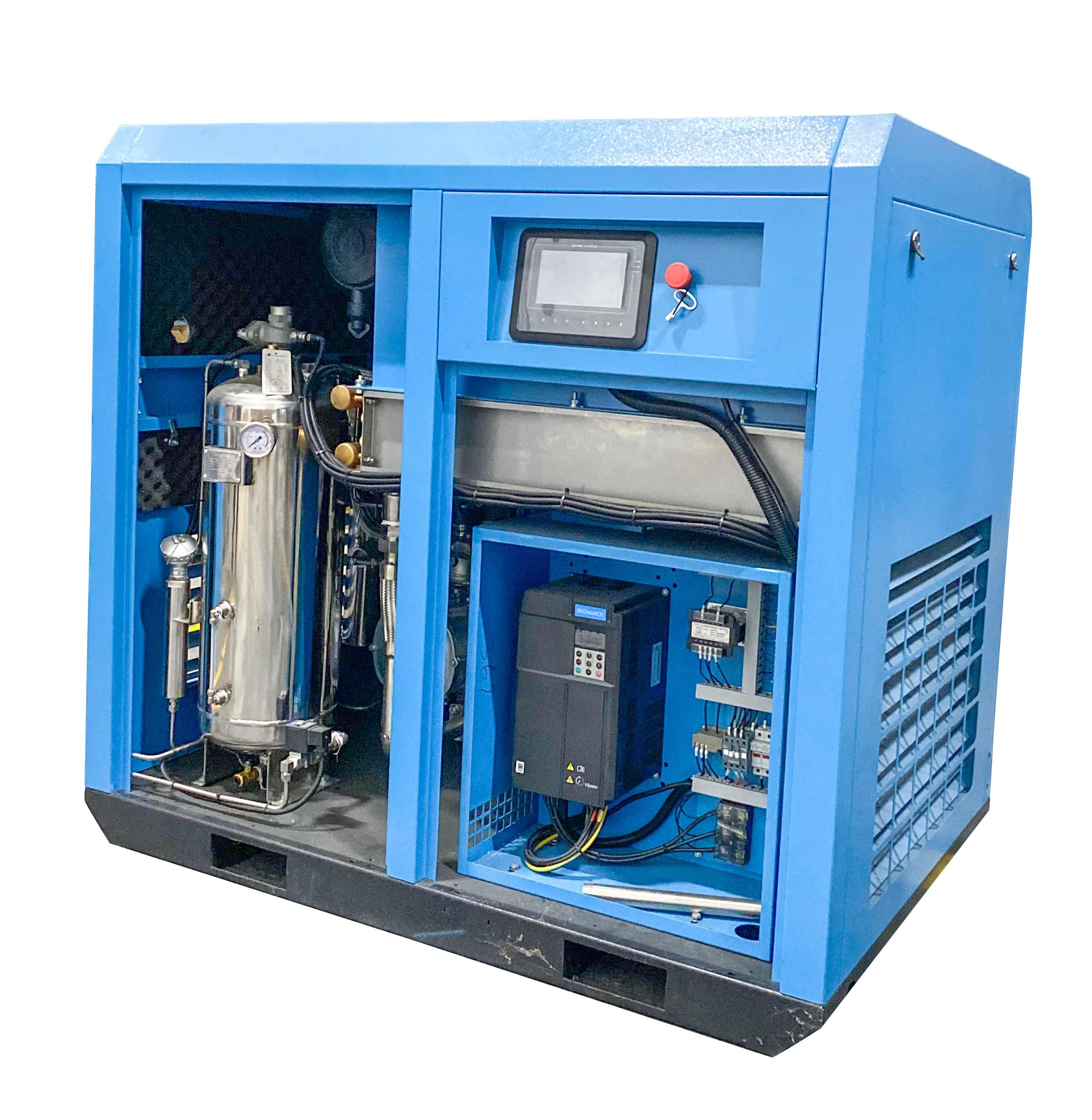
Most air compressor problems come from a few main sources:
· Air leaks in the system
· Dirty or clogged air filter
· Electrical issues or unstable power supply
· Faulty pressure switch
· Low oil levels or worn components
· Blocked airflow or internal restrictions
· Excess wear in compressor parts
Over time, normal wear and tear can also lead to reduced performance and air pressure instability.
One of the most frequent complaints is compressor not building pressure.
· Air leaks in pipes or hoses
· Faulty pressure switch
· Worn piston rings or seals
· Clogged intake filter
· Loose fittings in the system
· Inspect all air lines for leaks
· Tighten or replace damaged fittings
· Replace clogged air filter
· Check pressure switch settings
· Test internal compression components
If the compressor is running but pressure stays low, air loss is usually happening somewhere in the system.
Sometimes the compressor runs normally but produces little or no air.
· Intake blockage
· Broken valve plates
· Internal leakage
· Damaged compressor head
· Clean or replace intake filter
· Inspect valves for damage
· Check compressor head assembly
· Replace worn internal seals
This issue often requires inspection of internal compressor parts.
Unusual noises or excess noise often indicate mechanical issues.
· Knocking
· Grinding
· Hissing
· Rattling
· Loose components
· Worn bearings
· Low oil levels
· Damaged internal parts
· Missing vibration pads
· Tighten loose bolts
· Replace worn bearings
· Check and replace the oil if needed
· Install or replace vibration pads
· Inspect internal moving parts
Ignoring noise issues may lead to larger mechanical failure.
Air leaks are one of the biggest causes of energy waste and poor performance in an air system.
· Pipe joints
· Hose connections
· Quick couplers
· Valves
· Tank fittings
· Soapy water test
· Ultrasonic detection
· Listening for hissing sounds
· Replace damaged hoses
· Tighten fittings
· Seal joints properly
· Replace worn seals
Even small leaks reduce overall system efficiency.
Electrical issues can prevent proper compressor operation.
· Faulty wiring
· Tripped breakers
· Motor overload
· Damaged capacitors
· Weak power supply
· Check electrical connections
· Reset circuit breakers
· Inspect motor condition
· Replace damaged electrical components
If the compressor does not start, always verify power supply first.
A pressure switch controls when the compressor starts and stops.
· Compressor won’t shut off
· Compressor won’t start
· Irregular pressure cycles
· Adjust pressure settings
· Clean switch contacts
· Replace faulty pressure switch
Incorrect pressure control can damage the entire system.
Low air pressure can affect tool performance and production efficiency.
· Air leaks
· Dirty filters
· Worn piston rings
· Blocked lines
· Incorrect pressure settings
· Replace air filter
· Repair leaks
· Adjust pressure switch
· Inspect internal compression system
For oil-lubricated systems, oil condition matters.
· Low oil levels
· Dirty oil
· Incorrect oil type
· Regularly check oil levels
· Use recommended compressor oil
· Replace the oil at scheduled intervals
Poor lubrication increases wear and heat generation.
Overheating can cause shutdowns and damage.
· Dirty cooling system
· Low oil
· Excess load
· Poor ventilation
· Clean cooling fins
· Improve airflow around compressor
· Check oil condition
· Reduce continuous load
Good maintenance helps avoid most compressor problems.
· Regularly inspect air filter
· Check oil levels
· Tighten fittings
· Inspect vibration pads
· Monitor pressure readings
· Clean intake system
· Check electrical system
Routine maintenance helps ensure your air compressor operates reliably.
Some problems require replacing worn components:
· Piston rings
· Valves
· Bearings
· Seals
· Pressure switch
· Motor components
Replacing worn parts early helps avoid major system failure.
Most commonly due to air leaks, clogged filters, or faulty pressure switches.
Noise often comes from loose parts, worn bearings, low oil levels, or missing vibration pads.
This usually indicates internal leakage or valve failure inside the compressor system.
Use soapy water, ultrasonic leak detection, or listen for hissing sounds in the system.
Oil should be replaced based on manufacturer recommendations or operating hours to ensure proper lubrication.
Most air compressor troubleshooting cases can be traced back to leaks, electrical issues, pressure control faults, or worn components. By regularly inspecting the air system, maintaining proper oil levels, replacing filters, and monitoring air pressure, operators can reduce downtime and extend equipment life.