In any air compressor setup, moisture control affects tool performance, air quality, and long-term equipment reliability. Without proper air treatment, water vapor in compressed air can lead to corrosion, pressure instability, and reduced efficiency in pneumatic tools.
Selecting the right air dryer depends on system demand, operating environment, and required dryness level. This guide explains how different dryers work and how to match them with industrial applications.
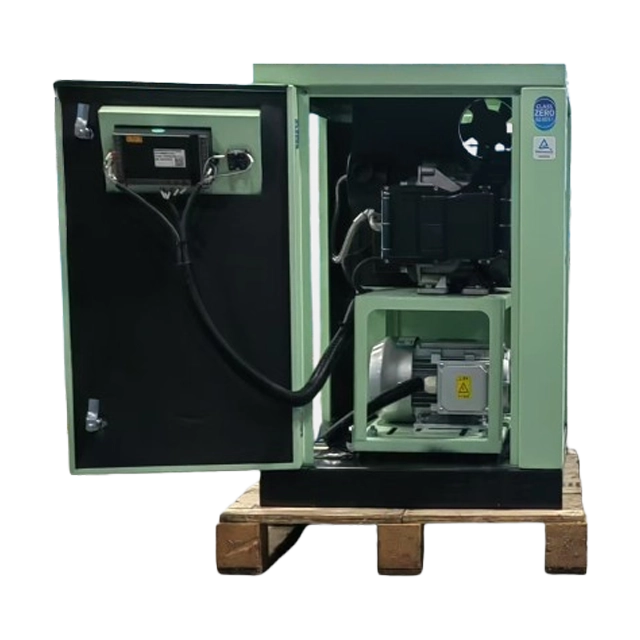
When air is compressed, moisture concentration increases. If not removed, it becomes liquid water inside the system.
This can result in:
· Corrosion in pipelines
· Damage to pneumatic equipment
· Freezing in low temperatures
· Reduced energy efficiency
· Poor air quality
A proper drying system ensures stable operation, especially in industrial environments using rotary screw compressors or positive displacement systems.
There are three main types of compressed air dryers used in industry.
A refrigerated dryer cools compressed air to condense and remove moisture.
· Hot compressed air enters the dryer
· Air is cooled to a low temperature
· Moisture condenses into liquid water
· Water is separated and drained
· Around 3°C to 10°C
· General manufacturing
· Automotive workshops
· Most industrial applications
· Cost effective
· Low maintenance
· Stable performance
· Not suitable for extremely dry air needs
· Limited performance in very low ambient temperature conditions
A desiccant dryer uses moisture-absorbing materials to remove water vapor from compressed air.
Common materials include:
· Activated alumina
· Silica gel
· Molecular sieves
· Compressed air passes through a desiccant bed
· Moisture is absorbed
· Dry air exits the system
· Desiccant is regenerated periodically
· -20°C to -40°C or lower
· Food and beverage
· Pharmaceuticals
· Electronics
· Applications requiring dry air at higher purity levels
· Very low moisture levels
· Suitable for sensitive processes
· Stable air quality output
· Higher operating cost
· Requires purge air or heat regeneration
· More complex maintenance
Some systems also use membrane-based dryers for compact applications.
· Lightweight design
· No moving parts
· Continuous drying process
· Point-of-use drying
· Small-scale pneumatic systems
Selecting the correct dryer depends on several system conditions.
Higher air purity requirements need deeper drying systems.
· Basic industrial use → Refrigerated dryer
· Sensitive applications → Desiccant dryer
Different compressors affect moisture load:
· Rotary screw compressors → stable moisture output
· Positive displacement compressors → variable moisture levels depending on load
Ambient temperature and humidity affect dryer performance.
· High humidity → desiccant dryer recommended
· Stable indoor environment → refrigerated dryer sufficient
Pressure dew points define how dry the air must be.
· +3°C dew point → refrigerated dryer
· -40°C dew point → desiccant dryer
Dryer selection impacts overall system energy use.
· Refrigerated dryers → lower energy consumption
· Desiccant dryers → higher energy use but better drying
Using variable speed compressors with optimized air demand can improve overall system efficiency when paired with the right dryer.
Budget considerations include:
· Initial investment
· Maintenance requirements
· Energy consumption
· Desiccant replacement cost
Choosing the right balance avoids unnecessary operational expense while maintaining system reliability.
Proper maintaining your compressed air system helps extend dryer life and improve performance.
Recommended practices:
· Check filters regularly
· Drain condensate traps
· Inspect desiccant condition
· Monitor dew point performance
· Conduct leak checks
Routine regular inspections reduce unexpected downtime and maintain stable output quality.
· Choosing based only on price
· Ignoring dew point requirements
· Overlooking ambient temperature conditions
· Undersizing dryer capacity
· Skipping filtration stages
These mistakes can affect downstream air treatment and reduce system performance.
Air dryers are widely used in:
· Automotive manufacturing
· Food processing
· Electronics production
· Textile industries
· General factory air systems
Each application has different moisture sensitivity levels and questions about compressed air requirements.
An air dryer removes moisture from compressed air to improve air quality and protect equipment from corrosion and damage.
Refrigerated dryers cool air to remove moisture, while desiccant dryers absorb moisture using drying materials for much lower dew points.
Refrigerated dryers are suitable for general use, while desiccant dryers are better for applications requiring extremely dry air.
High ambient temperature increases moisture load, while low temperatures can affect refrigerated dryer efficiency.
Most industrial systems require air dryers to maintain air quality, especially when using pneumatic tools or sensitive equipment.
Choosing the right air dryer depends on air quality requirements, compressor type, operating environment, and dew point targets. A well-matched drying system improves energy efficiency, protects equipment, and maintains stable performance across industrial applications. Whether using refrigerated or desiccant technology, proper selection and regular inspections help maintain a reliable compressed air system.