Compressed air is widely used in factories, workshops, and industrial production lines. However, a compressed air leak can quietly waste energy, increase operating costs, and reduce the efficiency of compressed air systems.
Many companies lose a large amount of compressed air every year because leaks remain unnoticed. Since air is invisible, finding leaks requires proper inspection methods and professional tools.
This guide explains how to perform air leak detection, identify common leak sources, and apply effective leak detection and repair methods.
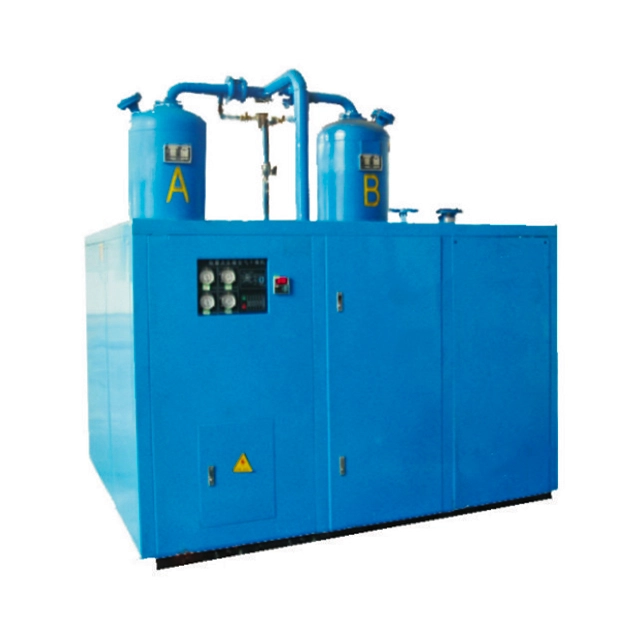
A compressed air leak occurs when pressurized air escapes from the system before reaching the point of use.
Common leak locations include:
· Pipe connections
· Valves
· Hoses
· Fittings
· Couplings
· Threaded joints
A small opening may not look serious, but continuous air loss can create significant wasted energy and increase energy cost.
Leaks affect both performance and operating expenses.
Compressors must work longer to replace lost air.
The results include:
· Increased electricity use
· Higher production costs
· Reduced energy efficiency
In many factories, compressed air leaks are one of the easiest sources of energy waste to reduce.
Leaks reduce available airflow and may cause unstable system pressure.
Symptoms include:
· Weak pneumatic tools
· Slow machine operation
· Pressure fluctuations
A poorly maintained system forces compressors to run more frequently.
This can lead to:
· Shorter equipment life
· More maintenance requirements
· Higher repair costs
Loose fittings and joints are common leak sources.
Solutions:
· Tighten connections
· Replace damaged fittings
· Apply proper thread sealant when required
Over time, hoses, seals, and valves wear out.
Common problems:
· Cracked hoses
· Damaged seals
· Weak connections
Regular inspection helps identify these issues early.
Incorrect installation may create weak points in the system.
Examples:
· Incorrect pipe connections
· Poor sealing
· Improper fittings
A poorly maintained compressed air system is more likely to develop leaks.
Without regular checks:
· Small leaks become larger
· Energy losses increase
· Repair costs grow
There are several methods for detecting leaks in industrial systems.
Small leaks may create noticeable hissing sounds.
However, this method has limitations:
· Human hearing cannot detect all leaks
· Factory noise may hide sounds
· Small leaks can be missed
A quiet production period may make manual checks easier.
Ultrasonic leak detection is one of the most effective methods for industrial systems.
Ultrasonic leak detectors identify high-frequency sounds created by escaping air.
Advantages:
· Detects small leaks
· Works during normal production
· Locates leak positions quickly
Unlike human hearing, ultrasonic equipment can identify frequencies outside the normal hearing range.
A simple inspection method is applying soapy water to suspected leak points.
Signs of leakage:
· Bubble formation
· Continuous air escape
This method is low cost but can be time consuming for large facilities.
Monitoring system performance can reveal hidden leaks.
Signs include:
· Compressor running when demand is low
· Frequent pressure drops
· Higher energy consumption
After finding leaks, proper detection and repairs should be completed quickly.
For leaking joints:
· Tighten fittings
· Replace damaged connectors
· Apply thread sealant correctly
Worn components should be replaced instead of temporarily repaired.
Common replacement parts:
· Air hoses
· O-rings
· Valve seals
· Couplings
Older systems may contain inefficient fittings and outdated equipment.
Upgrading can improve:
· Airflow stability
· System reliability
· Energy efficiency
A single inspection is not enough.
A good maintenance plan includes:
· Scheduled inspections
· Leak records
· Repair tracking
· Follow-up checks
Regular leak detection helps maintain long-term system efficiency.
The amount of wasted air depends on:
· Leak size
· System pressure
· Operating hours
· Electricity cost
Large leaks can waste thousands of cubic feet of compressed air every day.
Reducing leaks helps lower:
· Compressor workload
· Energy consumption
· Operating costs
To improve compressed air system efficiency:
· Perform regular leak inspections
· Use ultrasonic leak detectors
· Repair leaks immediately
· Monitor pressure levels
· Maintain fittings and valves
· Train operators to report leaks
A structured leak management program reduces waste and improves system reliability.
Compressed air leaks can be detected by listening for hissing sounds, using soap solution tests, or applying ultrasonic leak detection equipment.
Leaks force compressors to produce extra air, increasing electricity use and raising energy costs.
No. Human hearing can only detect larger leaks. Small leaks often require ultrasonic leak detectors.
Industrial facilities should perform regular leak detection inspections as part of their compressed air system maintenance program.
Ultrasonic leak detection is usually the most effective method because it can locate small leaks while equipment is operating.
Compressed air leaks are a common source of energy waste in industrial facilities. By using proper air leak detection, ultrasonic tools, and regular maintenance practices, companies can reduce wasted energy, improve system pressure stability, and lower operating costs.
A well-maintained compressed air system delivers better performance and helps businesses achieve long-term energy savings.