Compressed air is widely used across manufacturing plants, but the quality of that air is often overlooked. Poor compressed air quality can introduce oil vapor, solid particles, and water content into production processes, affecting product quality and equipment performance.
Improving air quality requires a complete air treatment approach, including compressors, filters, dryers, and regular system testing.
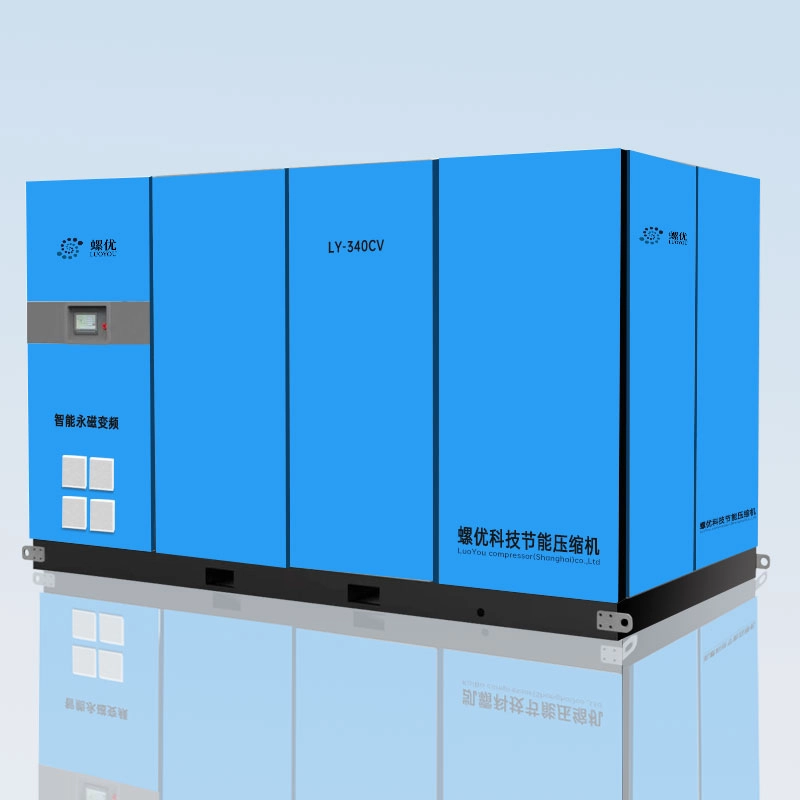
In industrial environments, compressed air systems directly interact with products, machinery, and sometimes even packaging lines such as in food and beverage production.
If air quality is poor, it may lead to:
· Contamination from oil aerosol or oil vapor
· Moisture-related corrosion due to high water content
· Dust or solid particles entering production lines
· Failure to meet ISO 8573 air standards
Maintaining consistent air purity supports stable operations and reduces quality risks.
The ISO 8573 standard defines compressed air purity based on three main factors:
· Solid particles
· Water content (dew point / pressure dew point)
· Oil content (oil vapor and oil aerosol)
Class 0 represents the strictest level of air purity. It is often required in:
· Pharmaceuticals
· Food and beverage production
· Electronics manufacturing
Achieving Class 0 typically requires oil-free compressors and advanced air treatment systems.
One of the most effective ways to improve compressed air quality is using oil-free compressors.
· No risk of oil vapor contamination
· Lower oil content in air output
· Suitable for sensitive industries
· Easier compliance with ISO 8573 Class 0
Common types include scroll compressors and oil-free screw systems.
Air filters remove contaminants such as dust, rust, and oil aerosols.
· Particulate filters (remove solid particles)
· Coalescing filters (remove oil aerosol)
· Activated carbon filters (remove oil vapor and odors)
Proper filtration significantly improves overall air purity in compressed air systems.
Moisture is one of the most common issues in compressed air.
Desiccant dryers help reduce dew point and remove water vapor from the system.
· Achieve very low pressure dew point
· Remove moisture for sensitive applications
· Protect downstream equipment from corrosion
Industries like food packaging rely heavily on dry air to maintain hygiene standards.
A proper air treatment setup includes:
· Air compressor (preferably oil-free)
· Pre-filters and fine air filters
· Refrigerated or desiccant dryers
· After-filters for final polishing
This multi-stage system ensures stable air quality across all usage points.
To maintain standards, it is important to test compressed air regularly.
Testing includes:
· Measuring oil content
· Checking water content and dew point
· Detecting solid particles
· Verifying compliance with ISO 8573
Routine testing helps detect contamination early before it affects production.
Even small traces of oil can affect sensitive processes.
To reduce oil vapor and oil aerosol:
· Use oil-free compressors
· Install activated carbon filters
· Replace filter elements regularly
· Avoid oil carryover from aging compressors
System maintenance directly affects air quality.
Key practices include:
· Draining moisture from air receivers
· Replacing worn filters
· Checking seals and piping leaks
· Monitoring pressure dew point performance
Poor maintenance can reintroduce contaminants into clean air streams.
In food and beverage applications, air comes into direct or indirect contact with products.
Requirements often include:
· Oil-free air supply
· High-grade filtration
· Strict moisture control
· Compliance with Class 0 standards
This ensures safety and prevents contamination risks.
It refers to the level of purity in compressed air, including limits for oil content, moisture, and solid particles based on ISO 8573 standards.
They eliminate oil from the compression process, reducing oil vapor, oil aerosol, and contamination risks.
Class 0 is the strictest air quality level, requiring extremely clean air with no detectable oil, moisture, or particles.
They reduce moisture and achieve low pressure dew point, preventing corrosion and product defects.
Most factories test air quality every 6–12 months depending on industry requirements and production sensitivity.
Improving compressed air quality requires a combination of oil-free compressors, advanced filters, desiccant dryers, and regular system testing. When properly designed, a compressed air system can consistently meet ISO 8573 standards and support high product quality across demanding industrial applications.