In compressed air systems, the choice between variable speed drive (VSD) and fixed speed compressors has a direct impact on energy efficiency, operating costs, and system stability. Many industrial facilities now review compressor control methods to reduce energy consumption while maintaining stable air flow for production needs.
This guide explains how VSD compressors work, how they differ from fixed speed models, and where energy savings come from in real-world applications.
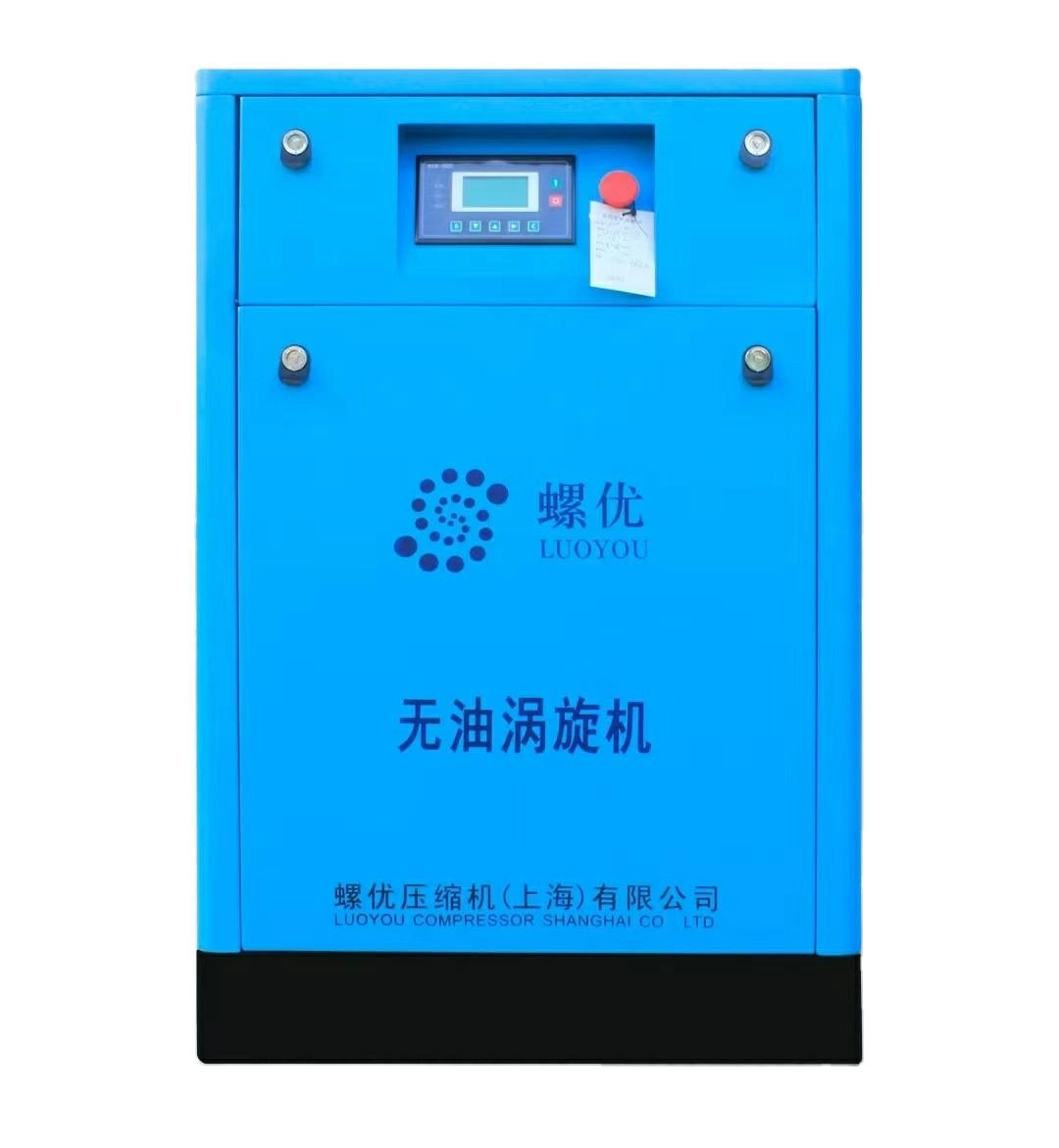
A variable speed drive compressor uses a variable frequency drive (VFD) to control the speed of the electric motor. Instead of running at a constant speed, the motor adjusts based on the demand for compressed air.
· The VFD (variable frequency drive) changes frequency and voltage
· This allows precise motor speed control
· The compressor output matches real-time air demand
· Adjusts output instead of running continuously
· Matches air flow to system demand
· Reduces unnecessary energy consumption
· Common in modern rotary screw compressors
A fixed speed compressor runs at a constant motor speed regardless of air demand.
· Motor runs at full speed or stops completely
· Uses load/unload control for air regulation
· Stores excess air in the compressed air system tank
· Simpler design
· Lower initial cost
· Higher energy use in variable demand systems
· More frequent compressors running cycles
A VSD air compressor improves energy efficiency by adjusting motor output based on demand.
Benefits include:
· Reduced energy consumption during partial load
· Less wasted power when demand is low
· Smoother air flow output
· Lower heat generation from reduced motor strain
Fixed speed systems consume full power even when demand drops.
Common outcomes:
· Higher energy consumption during idle periods
· Frequent load/unload cycling
· Energy losses during low demand periods
· Less efficient drive control overall
A variable frequency drive (VFD) modifies frequency and voltage supplied to the motor.
This allows:
· Precise motor speed adjustment
· Matching output to real-time air demand
· Reduced mechanical stress on electric motors
· Improved system stability in compressed air systems
· Voltage source VFD
· Current source VFD
· Scalar and vector control drives
Each type offers different levels of precision in controlling compressor speed and air output.
The biggest advantage of vsd compressors appears in systems with fluctuating demand.
Energy savings come from:
· Avoiding full-speed operation during low demand
· Reducing idle time
· Lowering losses from unloading cycles
· Matching output directly to production needs
In many facilities, reducing energy use in air systems can have a noticeable impact on overall operational costs.
Compressor energy use also affects heat and cool balance in industrial environments.
· Fixed speed systems generate more heat during continuous full-load operation
· VSD systems reduce heat output by lowering motor speed when demand drops
· Reduced heat improves system stability and lowers cooling requirements
Most modern rotary screw compressors can be equipped with VSD technology.
This combination provides:
· Stable airflow control
· Improved energy efficiency
· Better handling of variable production loads
· Lower long-term operating costs
· Air demand changes frequently
· Energy savings are a priority
· System operates under partial load conditions
· Air demand is stable and predictable
· Initial cost is more important than long-term efficiency
· System runs near full load most of the time
It is a compressor that uses a VFD to adjust motor speed based on real-time air demand.
Yes, they reduce energy consumption by matching output to demand instead of running at full speed continuously.
A VFD (variable frequency drive) controls electrical frequency and voltage, while VSD is the overall system using that control method.
They can use more energy in variable demand systems because they continue running at full speed even when demand is low.
Yes, many rotary screw compressors are designed with VSD technology for better efficiency and control.
The choice between variable speed drive and fixed speed compressors depends mainly on air demand patterns and energy priorities. VSD systems offer better energy efficiency and flexible air flow control, while fixed speed compressors remain suitable for stable-load environments. Proper selection helps optimize compressed air systems and reduce long-term operating costs.