Choosing between fixed speed compressors and variable speed compressors can have a major impact on energy use, operating costs, and overall compressed air system performance.
Many industrial facilities operate with changing air demand throughout the day. In these situations, compressor control technology can determine how efficiently the system uses electricity.
A variable speed drive (VSD) compressor can adjust motor speed based on air demand, while a fixed speed compressor runs at a constant speed regardless of changing requirements.
This guide explains the differences between variable speed drive VSD and fixed speed compressors, including energy consumption, savings potential, applications, and frequently asked questions.
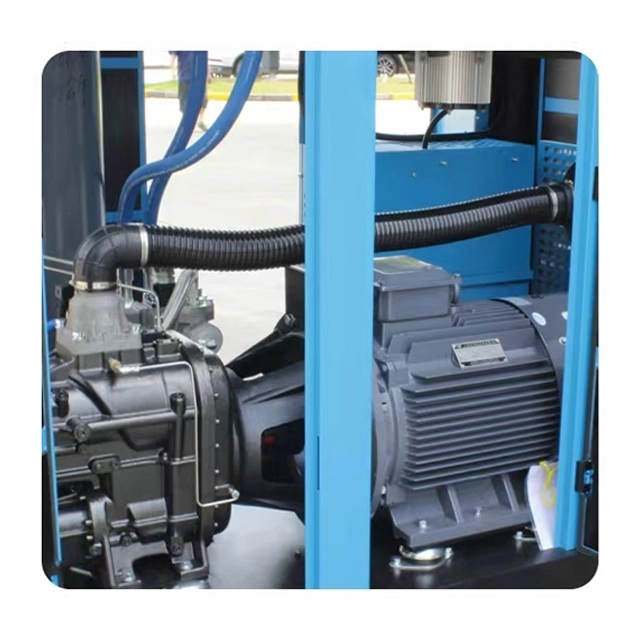
A fixed speed compressor operates at one constant motor speed whenever it is running.
The motor usually has two operating conditions:
When the system requires compressed air, the compressor runs at full speed. When demand decreases, the compressor reduces output or enters idle mode.
Fixed speed units are widely used because they offer:
They work well for applications where the demand for compressed air remains stable.
The main disadvantage is energy waste during periods of low demand.
When production requirements change, fixed speed compressors may:
This increases overall energy consumption.
A variable speed compressor uses a variable speed drive (VSD) to control motor speed according to air demand.
The VSD changes the motor frequency and speed, allowing the compressor to produce only the amount of compressed air required.
For example:
This adjustment helps improve energy efficiency.
A variable frequency drive (VFD) controls the electrical frequency supplied to the compressor motor.
The system monitors air demand in real time and adjusts motor speed automatically.
Unlike fixed speed compressors, VSD compressors do not always need to operate at full speed.
The result:
| Feature | Fixed Speed Compressor | Variable Speed Compressor |
|---|---|---|
| Motor speed | Constant | Adjustable |
| Energy efficiency | Lower at variable demand | Higher |
| Energy consumption | Higher during low demand | Reduced |
| Initial cost | Lower | Higher |
| Control method | Load/unload control | Speed controls |
| Best application | Stable air demand | Changing air demand |
| Energy savings | Limited | Significant potential |
Energy consumption is one of the biggest factors when selecting industrial compressors.
A fixed speed compressor often operates at full speed even when the factory does not need maximum airflow.
This can lead to:
A VSD air compressor adjusts output based on actual requirements.
Benefits include:
For facilities with fluctuating demand, energy savings can be substantial.
A vsd air compressor provides the greatest savings when:
For example, a factory may require high airflow during production but much less air during breaks or shift changes.
A VSD compressor reduces speed instead of continuing full-load operation.
Variable speed compressors are often used in:
They are especially useful for processes requiring different air volumes throughout the day.
Fixed speed compressors remain a good option when:
Examples:
Although variable speed compressors usually have a higher purchase price, the additional investment can often be recovered through lower electricity costs.
Factors affecting payback include:
Many companies evaluate savings based on their local power company rates and actual operating conditions.
Yes, many facilities upgrade from fixed speed compressors to VSD compressors.
However, the correct choice depends on:
A compressed air audit can help determine whether a VSD upgrade is suitable.
Both systems require regular maintenance.
Common maintenance tasks include:
VSD compressors also require attention to:
Proper maintenance helps maintain long-term performance.
Choose a fixed speed compressor if:
Choose a variable speed compressor if:
Fixed speed compressors run at a constant motor speed, while variable speed compressors adjust motor speed according to compressed air demand.
Yes. Variable speed compressors can improve energy efficiency by reducing motor speed during periods of lower air demand.
Yes. VSD compressors can reduce energy consumption, especially in systems where airflow requirements change throughout the day.
Fixed speed compressors usually have a lower purchase cost and simpler design, making them suitable for applications with stable air demand.
A VSD air compressor is a good choice when your compressed air system experiences frequent changes in demand or operates for long hours.
Both fixed speed compressors and variable speed compressors have their advantages. Fixed speed models are reliable and cost-effective for stable applications, while variable speed compressors provide better energy efficiency when air demand changes.
For factories looking to reduce energy consumption, improve control, and achieve long-term cost savings, VSD technology offers an effective solution. The best choice depends on operating conditions, compressed air demand, and the overall goals of the compressed air system.