A screw air compressor is a type of compressor that uses two interlocking helical rotors to compress air. Unlike piston compressors, it delivers a continuous, stable airflow, making it ideal for industrial applications that require reliability, efficiency, and consistent pressure.
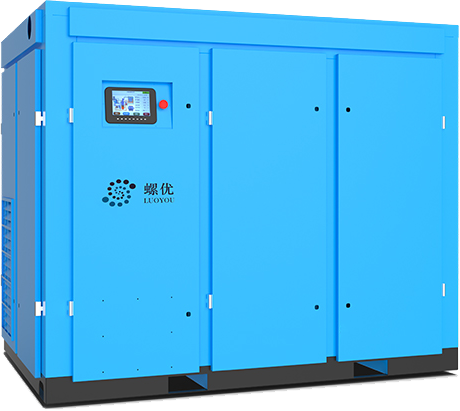
A screw air compressor, also known as a rotary screw air compressor, is designed to produce compressed air through a rotary mechanism. It is widely used in manufacturing, processing, and heavy-duty operations where uninterrupted air supply is needed.
Compared with traditional piston compressors, rotary screw air compressors are known for:
· Continuous operation without pressure fluctuations
· Lower noise levels
· Higher efficiency in long-term use
· A wide range of industrial applications
These compressors are commonly available in oil-injected and oil-free configurations, depending on the required air quality.
The rotary screw compressor working principle is based on two meshing rotors (male and female) rotating inside a casing.
1. Air Intake
Air enters through the intake valve.
2. Compression Process
The rotors trap air and reduce the volume as they rotate, increasing pressure.
3. Air Discharge
Compressed air is released through the outlet at the desired pressure.
This process is continuous, which allows rotary screw air compressors to deliver a steady flow of compressed air without pulsation.
· Uses oil for lubrication, sealing, and cooling
· Suitable for general industrial applications
· Cost-effective and widely used
· No oil in the compression chamber
· Ideal for industries requiring clean air (food, pharmaceuticals, electronics)
· Higher initial cost but ensures air purity
One of the main advantages of rotary screw air compressors is energy savings, especially when equipped with variable speed drives (VSD). These systems adjust motor speed based on air demand, reducing unnecessary energy consumption.
They are designed for 24/7 operation without overheating, making them suitable for demanding environments.
Rotary screw compressors operate more quietly than piston compressors, improving workplace conditions.
Fewer moving parts and stable operation reduce wear and maintenance requirements.
Screw air compressors are used across a wide range of industries, including:
· Manufacturing
· Food and beverage
· Pharmaceuticals
· Textile production
· Automotive
· Construction
Provides compressed air for tools, assembly lines, and automation systems.
Oil-free models ensure contamination-free air for processing and packaging.
Used where clean, dry air is required under strict standards.
Delivers stable, high-pressure air for precision cutting processes.
When selecting a rotary screw air compressor, consider the following factors:
Determine the required airflow based on your equipment and processes.
Match the compressor output pressure to your application.
Look for models designed for energy savings, such as VSD compressors.
Choose oil-free compressors if your industry requires clean air.
Consider temperature, humidity, and installation space.
· Check and replace air filters regularly
· Monitor oil levels (for oil-injected models)
· Inspect belts, hoses, and connections
· Drain condensate from the system
· Schedule periodic professional servicing
Proper maintenance helps extend service life and maintain efficiency.
A screw air compressor provides continuous airflow, while a piston compressor works in cycles. Screw compressors are more suitable for industrial applications requiring constant air supply.
Yes, especially models with variable speed drives. They adjust output based on demand, leading to significant energy savings over time.
Rotary screw air compressors are designed for continuous operation and can run 24/7 when properly maintained.
They are used in a wide range of industries, including manufacturing, food processing, pharmaceuticals, textiles, and construction.
If your application requires clean air without contamination (such as food or medical use), an oil-free compressor is recommended.
A screw air compressor is a reliable and efficient solution for industrial compressed air systems. With its continuous operation, energy savings, and adaptability across a wide range of applications, it remains a preferred choice for modern industries. Selecting the right model based on your requirements will help ensure stable performance and long-term cost efficiency.