Choosing the right air compressor size is essential for optimizing efficiency, reducing energy costs, and ensuring your compressed air system runs smoothly. Whether you're powering air tools in a workshop or running machinery in an industrial setting, selecting the correct air compressor size can make a big difference. But how do you determine the right size air compressor for your needs? This guide will explain the key factors in compressor sizing, including CFM, duty cycle, and tank size.
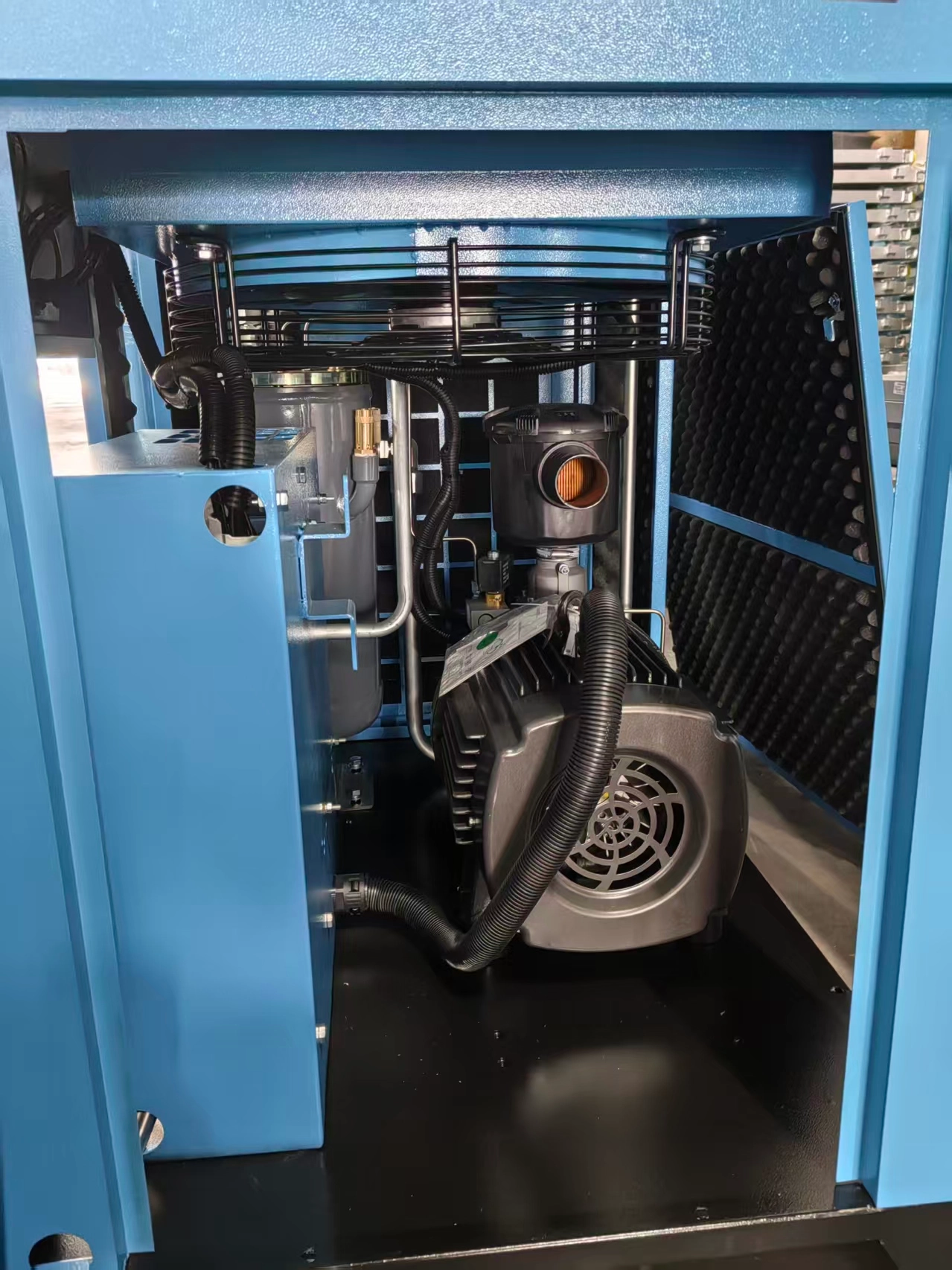
Air compressor sizing refers to calculating the capacity of the compressor required to meet your compressed air system's needs. Proper sizing ensures your air compressor runs efficiently, without oversizing or undersizing.
The two main factors to consider are:
· CFM (Cubic Feet per Minute): This measures the volume of air the compressor can provide. It’s the most important factor when determining the size of the compressor.
· PSI (Pounds per Square Inch): This measures the pressure your compressed air needs. Different tools and applications require different pressure levels.
Choosing a compressor that provides both the required CFM and PSI is vital for efficient operation. Under-sizing can lead to performance issues, while oversizing can result in unnecessary energy consumption.
To determine the right air compressor size, first calculate your total CFM requirements. This involves adding up the CFM needed for all the air tools or machines you plan to use simultaneously.
Each tool has a specific CFM requirement that varies depending on its type and function. For example:
· A nail gun may require 2-3 CFM
· A sanding tool may need 5-8 CFM
· An impact wrench may need 10-15 CFM
Make sure to add up the CFM requirements for all tools you'll be using at the same time. For high-demand applications like spray painting or running multiple tools, ensure the total CFM meets the demands of all equipment.
The duty cycle is the percentage of time the air compressor will be operating. A typical duty cycle for a compressor is 50% to 75%, meaning it runs for 5 to 7.5 minutes per 10-minute period. If you’re using high-power tools or running equipment continuously, you may need a larger compressor to ensure consistent output.
For example:
· A 50% duty cycle means the compressor is rated to run half the time, giving it time to cool.
· A 100% duty cycle means the compressor can run continuously without overheating.
Depending on the CFM requirements and air pressure demands, you’ll need to decide between a single-stage or two-stage compressor.
· Single-Stage Compressors: These are typically for smaller applications with lower pressure requirements (around 100 PSI). They are ideal for most home and small workshop uses.
· Two-Stage Compressors: These compressors are designed for higher demands, providing more consistent pressure and higher efficiency, especially for industrial or commercial use.
Once you've calculated the CFM and selected a compressor type, you’ll need to choose the appropriate air compressor tank size. The tank size determines how much compressed air your system can store.
A larger tank allows for longer periods of air tool operation without the compressor running constantly. Common tank sizes range from 20 gallons to 80 gallons or more, depending on the application.
· Smaller tanks (20-30 gallons) are ideal for intermittent use with low CFM requirements.
· Larger tanks (60-80 gallons) are best for continuous operations or when running high-demand tools.
Depending on your application, you may need an oil-free compressor to avoid contaminating sensitive materials. This is especially important in industries such as food packaging, pharmaceuticals, and medical applications. An oil-free compressor reduces the risk of oil contamination in the compressed air, making it ideal for use with air-powered tools in clean environments.
On the other hand, oil-lubricated compressors tend to be more energy-efficient and are suited for applications where air quality isn’t as critical.
To calculate the CFM for your tools, refer to the tool’s manual for CFM specifications. Add up the CFM of each tool you plan to use simultaneously, and consider any equipment that may run continuously.
If you’re using larger tools, a smaller compressor may not provide enough CFM and PSI, resulting in reduced performance. It’s essential to match the compressor capacity to the tool’s requirements.
Oversizing your compressor will lead to higher energy costs and may not provide any additional benefits. It could also cause wear and tear on the system since it won’t be running efficiently.
A larger tank is ideal if you need consistent airflow over a long period. For tools that require continuous air, like spray guns, a larger tank is necessary to maintain stable air pressure.
Sizing an air compressor involves understanding your CFM and PSI requirements, factoring in the duty cycle, and selecting the appropriate tank size. Whether you need a single-stage or two-stage compressor, or an oil-free system, the right air compressor will improve the efficiency of your compressed air system while minimizing operating costs and energy consumption.
By properly sizing your air compressor, you ensure that your system meets your needs without overburdening your equipment or wasting resources. If you need assistance, consult with an expert or use an air compressor sizing tool to get a more precise recommendation.