An auto shop air compressor should provide enough CFM (cubic feet per minute) and stable pounds per square inch (PSI) to run multiple air tools such as impact wrenches, tire inflators, and pneumatic tools. Most automotive shop setups require a workshop compressor delivering 10–60+ CFM at 90–120 PSI, depending on shop size and tool usage.
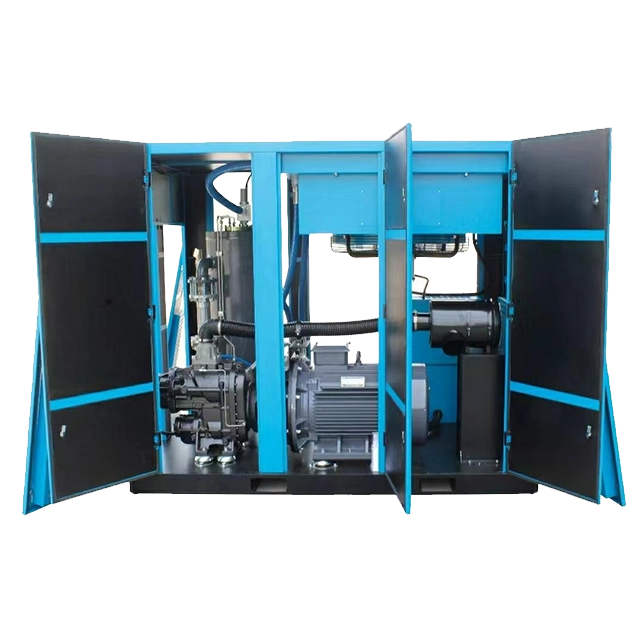
In any repair shop or automotive shop, compressed air is the backbone of daily work. A reliable compressor for garage use supports many tasks:
· Impact wrench operation
· Tire inflation and service
· Air-powered lifting tools
· Spray cleaning and dust removal
· Brake and engine work
Without consistent shop air, productivity drops quickly.
Most air compressors for automotive applications operate at:
· 90–120 PSI standard range
· Some heavy-duty tools may require slightly higher pressure
Stable pressure ensures tools operate without performance loss.
The most important factor is cubic feet per minute (CFM).
Typical requirements:
| Tool Type | CFM Requirement |
| Tire inflator | 2–4 CFM |
| Impact wrench | 4–8 CFM |
| Air ratchet | 3–5 CFM |
| Spray gun | 6–15 CFM |
| Multiple tools in use | 20–60+ CFM |
A higher CFM rating supports simultaneous tool usage in busy shops.
Best for:
· Small garage compressor setups
· Light repair work
· Occasional use
Advantages:
· Lower cost
· Simple maintenance
Limitations:
· Noisy operation
· Lower continuous duty cycle
Best for:
· Professional auto shop air compressor systems
· Continuous operation
· Multiple pneumatic tools
Advantages:
· High efficiency
· Stable airflow
· Better for high quality shop performance
Best for:
· Mobile mechanics
· Small repair shop tasks
· Tire service units
Limitations:
· Limited airflow capacity
Include:
· Impact wrenches
· Tire inflators
· Air ratchets
· Spray tools
Add up tool requirements and include a buffer of 25–30%.
Example:
· 2 impact wrenches = 16 CFM
· 1 tire inflator = 4 CFM
· Other tools = 10 CFM
Total = 30 CFM required minimum
A larger tank improves airflow stability:
· Small garage: 50–100 liters
· Medium workshop: 200–300 liters
· Busy automotive shop: 500+ liters
· Small garage → piston compressor
· Medium shop → large piston or small screw compressor
· High-demand shop → rotary screw compressor
Too little airflow leads to:
· Weak impact wrench performance
· Slow tool response
· Reduced productivity
Compressors not designed for continuous use may overheat in busy shops.
Moisture and debris can damage air tools and reduce tool lifespan.
Efficient systems reduce operating costs in the long term.
Ways to improve efficiency:
· Fix air leaks in piping
· Match compressor size to demand
· Use variable speed compressors for fluctuating loads
· Maintain filters and separators
Efficient compressed air reduces unnecessary energy use.
A correctly selected workshop compressor provides:
· Faster repair work
· Stable compressed air supply
· Longer air tool life
· Lower downtime
· Better workflow in the automotive shop
Most auto shops need 10–60+ CFM at 90–120 PSI, depending on the number of tools and workload.
For small garages, a piston compressor with 6–15 CFM is usually sufficient. Larger garages may require rotary screw systems.
CFM determines how much air is delivered. Insufficient CFM reduces tool power and performance.
Yes, if the compressor has enough CFM capacity and tank storage.
Most tools operate efficiently between 90–120 PSI.
Selecting the right auto shop air compressor depends mainly on CFM ratings, PSI stability, and how many air tools are used simultaneously. A properly sized workshop compressor ensures reliable performance, smoother operations, and consistent shop air supply across all automotive shop applications.