Designing a compressed air system for a new factory involves calculating total air demand, selecting the right industrial air compressor, planning compressed air piping, adding an air receiver, and installing proper air treatment like refrigerated dryers to ensure stable pressure and good air quality for all tools and equipment.
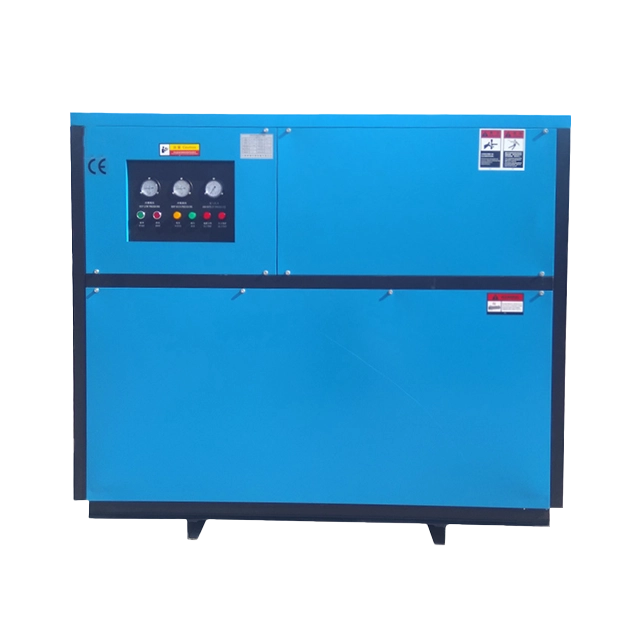
A well-planned compressed air system design directly affects production stability, energy use, and maintenance costs. Poor air system planning often leads to:
· Pressure drops in the air distribution system
· Unstable pneumatic tools performance
· High energy consumption
· Frequent breakdowns in the air compressor system
A properly designed system avoids these issues from the start.
Before any air compressor installation, the first step is to estimate total air usage.
Include:
· All pneumatic tools
· Production machines
· Future expansion needs
Air demand is usually measured in CFM (cubic feet per minute).
It is recommended to add 20–30% extra capacity for safety and growth.
The core of any factory air compressor setup is the compressor itself.
Common types:
· Continuous operation
· Stable pressure
· Suitable for factory environments
· High efficiency for large compressed air systems
· Used when air purity is required
· Suitable for food, electronics, and clean production areas
· No risk of oil contamination in the air system
The air distribution system delivers compressed air from the compressor room to production lines.
Best practices:
· Use a loop layout instead of a single line
· Minimize long pipe runs
· Avoid unnecessary bends
· Use correctly sized compressed air piping
A loop system helps maintain stable pressure across the factory.
The air receiver is an essential buffer in any air compressor system.
Functions:
· Stabilizes pressure fluctuations
· Reduces compressor cycling
· Stores compressed air for peak demand
Typical sizing:
· Small factory: 500–1000L
· Medium factory: 1000–3000L
· Large factory: multiple tanks in parallel
To ensure proper air quality, compressed air must be treated before use.
· Remove moisture from air
· Suitable for general industrial use
· Remove dust and oil particles
· Improve reliability of tools and equipment
Proper air treatment protects machines and improves production quality.
A well-designed compressor installation space improves performance and safety.
Key considerations:
· Proper ventilation for heat removal
· Space for maintenance access
· Stable foundation for vibration control
· Clean intake air location
· Organized piping layout
Good layout reduces wear and improves system stability.
Compressed air piping affects pressure stability across the entire system.
Recommendations:
· Use aluminum or galvanized steel piping
· Avoid rubber hoses for main lines
· Use proper slope for drainage
· Seal connections with proper fittings (avoid excessive teflon tape)
Poor piping design often causes hidden energy loss.
Factories usually operate between:
· 6–8 bar (90–120 PSI)
Stable pressure ensures:
· Smooth operation of pneumatic tools
· Consistent machine performance
· Reduced energy waste
Pressure regulators and control systems help maintain balance in the air system.
An efficient compressed air system design reduces long-term costs.
Key strategies:
· Use variable speed rotary screw compressors
· Fix air leaks early
· Reduce system pressure where possible
· Match compressor size to real demand
Energy efficiency is often more important than initial equipment cost.
A good system designer always considers future growth.
Plan for:
· Additional machines
· Increased air demand
· Extra piping connection points
· Room for second compressor unit
This avoids costly redesign later.
Leads to pressure drops and production instability.
Creates uneven air distribution across production lines.
Results in moisture damage and poor air quality.
Makes air compressor system servicing difficult.
It is the process of planning compressors, piping, air treatment, and storage to deliver stable compressed air throughout a factory.
Rotary screw compressors are most commonly used in industrial applications due to continuous operation and stable output.
An air receiver stabilizes pressure, stores air, and reduces compressor cycling.
They remove moisture from compressed air to improve air quality and protect equipment.
It is typically designed as a loop system using properly sized pipes to maintain even pressure distribution.
Designing a compressed air system for a new factory requires careful planning of compressors, piping, air treatment, and storage. A well-structured system improves air distribution system performance, supports reliable pneumatic tools, and reduces long-term operating costs. Proper air system planning ensures stable production and efficient use of compressed air across the entire facility.