Compressed air is one of the most widely used energy sources in industrial facilities, but it’s also one of the most expensive if mismanaged. Compressed air leaks can silently increase energy costs, reduce air compressor efficiency, and lower overall system performance. Detecting and repairing leaks in a timely manner can improve air flow, reduce system pressure drops, and save significant energy.
In this guide, we’ll explain how to find leaks, the methods to detect them, and effective ways to fix them in your compressed air system.
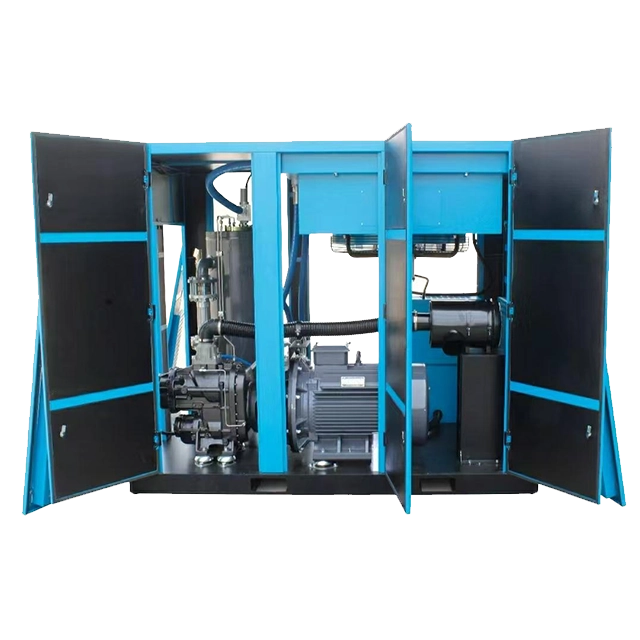
Leaks in a compressed air system lead to energy waste and higher operational costs. Even small leaks can cause the system to work harder, increasing wear on compressors and consuming extra electricity. Common consequences include:
· Increased energy costs due to higher electricity use.
· Reduced air compressor efficiency as the system struggles to maintain pressure.
· Pressure drops that affect production processes and tool performance.
· Extra maintenance costs and reduced lifespan of the compressor system.
By identifying leak points, facilities can significantly improve energy efficiency and system performance.
Here are the most common indicators that air escapes in your system:
1. Hissing sounds near joints, valves, or fittings.
2. Unexplained pressure drops when the system is idle.
3. Higher energy consumption or fluctuating compressor load.
4. Tools or equipment not performing as expected due to insufficient air flow.
Several techniques can help you find leaks and improve compressor efficiency:
· Walk around the system during operation.
· Listen for hissing sounds near threads, valves, and couplings.
· Mix soap and water in a spray bottle.
· Spray it on suspect joints and fittings.
· Bubbles indicate air escaping through a leak.
· Detect high-frequency sound waves generated by leaks.
· Helpful for large systems where leaks are difficult to hear.
· Monitor the compressed air system while idle.
· A faster-than-normal pressure drop signals energy waste due to leaks.
Leaks often occur in areas such as:
· Pipe joints and fittings
· Threaded connections without proper thread sealant
· Flexible hoses
· Valves, couplings, and air receiver connections
· Equipment requiring frequent movement or vibration
Once leaks are identified, repairing them is straightforward:
1. Tighten loose fittings or replace damaged parts.
2. Apply thread sealant to threaded joints.
3. Replace worn-out hoses or connectors.
4. Ensure valves and couplings are properly seated.
5. For persistent leaks, consider upgrading the system for better energy efficiency.
· Conduct regular leak detection inspections.
· Track and repair leaks immediately.
· Reduce system pressure to meet actual demand; higher pressure increases energy costs.
· Implement preventative maintenance to maintain compressor efficiency.
· Train staff to recognize signs of air leaks and maintain the system.
Q1: How much energy can a small compressed air leak waste?
A single 1/8-inch leak in a 100 PSI system can waste over 2,000 kWh annually, increasing energy costs and reducing compressor efficiency.
Q2: Can ultrasonic leak detection find all leaks?
Ultrasonic detectors are highly effective but may miss extremely small leaks or leaks in noisy environments. Combining methods like soapy water tests improves results.
Q3: How often should I check for air leaks?
For optimal energy savings, inspect the compressed air system at least every 3-6 months, or more frequently in high-use facilities.
Q4: Will reducing system pressure help minimize leaks?
Yes. Lowering system pressure to match actual demand reduces energy loss and limits the size and severity of leaks.
Detecting and repairing compressed air leaks is one of the simplest ways to save energy and improve air compressor efficiency. By combining regular inspections, proper tools, and timely repairs, facilities can reduce energy costs, extend equipment life, and maintain optimal air flow. Implementing a leak detection program is an investment that quickly pays off through long-term energy savings.