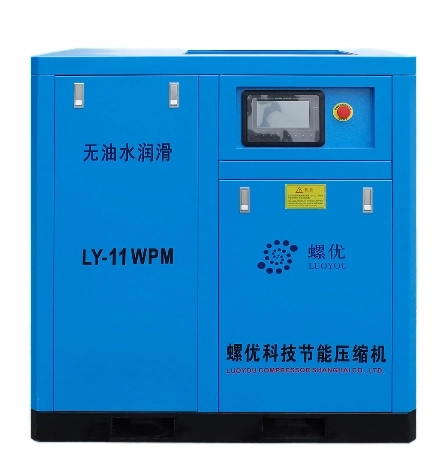
For spray painting, an air compressor for painting must deliver clean, stable airflow. Oil-free air compressors are preferred for high-quality finishing because they reduce contamination risk, while oil-lubricated compressors are more durable and cost-effective but require proper filtration to avoid oil carryover in the paint.
In spray painting applications, compressed air directly affects surface finish quality. Any moisture, dust, or oil carried in the air can cause:
· Fish eyes or surface defects
· Uneven coating
· Paint contamination
· Poor adhesion
That is why choosing a clean air compressor is not just about airflow, but also air purity.
A spray painting compressor is designed to provide:
· Stable air pressure
· Consistent airflow
· Clean, dry compressed air
It is commonly used in:
· Automotive painting
· Furniture finishing
· Metal coating
· Industrial surface treatment
Unlike general-purpose compressors, it must maintain air quality throughout continuous operation.
An oil-free compressor uses coated or non-lubricated components, so no oil enters the compression chamber.
· No oil contamination in paint
· Cleaner finish quality
· Lower risk of rework or defects
· Suitable for high-end finishing work
· Higher initial cost
· More sensitive to heat in continuous use
Oil-free systems are widely used where surface quality cannot be compromised.
An oil-lubricated compressor uses oil inside the compression chamber to reduce friction and wear.
· Longer service life
· Better durability under heavy use
· Lower purchase cost
· Stable performance for industrial workloads
· Risk of oil carryover
· Requires filtration system
· More maintenance needed
With proper filters, oil-lubricated systems can still support painting operations effectively.
| Feature | Oil-Free Compressor | Oil-Lubricated Compressor |
| Air purity | Very high | Depends on filtration |
| Maintenance | Lower | Higher |
| Cost | Higher | Lower |
| Painting quality | Best finish quality | Good with filters |
| Durability | Moderate | High |
A complete air compressor for painting setup should include:
Provides stable compressed air supply
Removes moisture from air to prevent paint defects
Eliminate dust and oil particles
Stabilizes airflow and pressure
A properly designed system ensures consistent painting results.
Typical requirements include:
· Pressure: 20–50 PSI (HVLP guns may require lower pressure)
· Airflow: depends on spray gun (5–15 CFM typical)
· Air quality: dry, oil-free, filtered
Even small contamination levels can affect surface finish.
Usually caused by worn seals or insufficient filtration.
Leads to bubbling or uneven coating.
Causes inconsistent spray patterns.
Results in rough or dusty paint finish.
When selecting a system, consider:
· Type of paint work (fine finish vs industrial coating)
· Required air quality level
· Usage frequency
· Budget and maintenance capacity
For high-quality finishing work, a clean air compressor system with oil-free technology is often preferred.
Oil-free compressors are best for high-quality spray painting because they eliminate the risk of oil contamination.
Yes, but it requires proper filtration and maintenance to ensure clean air output.
Clean air prevents defects such as bubbles, fish eyes, and uneven coating.
Yes. Moisture in compressed air can ruin paint finish quality.
Most spray painting applications operate between 20–50 PSI depending on the spray gun type.
Choosing the right air compressor for painting depends on the balance between air quality requirements and operating cost. Oil-free compressors provide the cleanest air for premium finishes, while oil-lubricated systems offer durability and lower cost when supported by proper filtration. A well-designed clean air compressor system ensures stable pressure, consistent spray performance, and high-quality finishing results.