Modern CNC machining operations depend on a reliable supply of compressed air. From automatic tool changers and spindle cleaning to pneumatic actuators and coolant systems, compressed air supports many functions inside CNC equipment. Selecting the right air compressor is essential for maintaining production efficiency, stable air pressure, and consistent machine performance.
This guide explains CNC air requirements, compressor sizing methods, airflow calculations, and how to choose the right compressed air system for CNC machining applications.
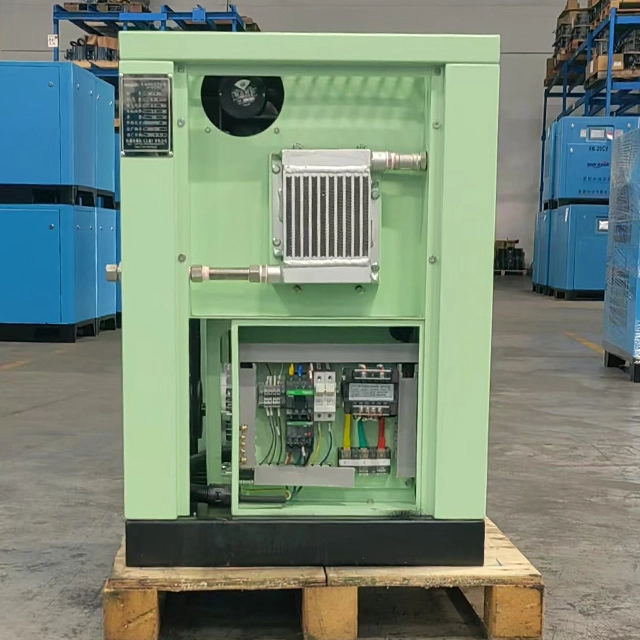
Most CNC machines use compressed air for:
· Tool changing systems
· Pneumatic clamps
· Air blast chip removal
· Spindle purging
· Automatic doors
· Coolant control systems
· Pneumatic tools used around machining centers
Without sufficient air pressure and air flow, CNC equipment may experience reduced performance, alarms, or unexpected downtime.
Before selecting an air compressor, it is important to understand your specific CNC air requirements.
Manufacturers typically specify:
· Required pressure (PSI)
· Air flow rate (CFM)
· Duty cycle
· Air quality standards
These values determine the overall compressor sizing requirements.
| CNC Equipment | Pressure PSI | Air Flow Rate |
| Small CNC Router | 80-100 PSI | 3-10 CFM |
| Vertical Machining Center | 90-120 PSI | 10-30 CFM |
| CNC Turning Center | 90-120 PSI | 10-40 CFM |
| Multiple CNC Machines | 100 PSI+ | 50-500+ CFM |
Actual requirements vary depending on machine size and production volume.
Proper compressor sizing prevents pressure fluctuations and excessive energy consumption.
The most important factors include:
Air flow refers to the volume of compressed air delivered over a specific unit of time.
The most common measurement is:
CFM (Cubic Feet Per Minute)
Cubic feet per minute measures the volume of air supplied each minute.
When sizing a compressor, the available compressor output should exceed the machine's CFM requirements.
Pressure is typically measured in:
PSI (Pounds Per Square Inch)
The required pressure PSI must be maintained throughout the compressed air system.
Most CNC machines operate between:
· 90 PSI
· 100 PSI
· 120 PSI
Insufficient air pressure may result in tool changer failures and machine alarms.
For facilities operating multiple machines, calculate:
Total CFM = Sum of all machine air consumption + reserve capacity
Example:
· CNC Machine A = 15 CFM
· CNC Machine B = 20 CFM
· CNC Machine C = 25 CFM
Total CFM = 60 CFM
Add a 20% safety margin:
60 × 1.2 = 72 CFM
This approach helps accommodate future expansion and peak demand periods.
Air demand changes throughout production cycles.
Factors affecting air demand include:
· Tool change frequency
· Machine utilization rate
· Number of operating machines
· Pneumatic accessories
· Air blow-off applications
Monitoring actual demand helps prevent oversized or undersized equipment.
Most CNC facilities use positive displacement compressors.
These compressors trap a fixed volume of air and compress it mechanically.
Common options include:
Advantages:
· Continuous operation
· Stable air flow
· High efficiency
· Low maintenance
· Suitable for multiple CNC machines
Advantages:
· Lower initial cost
· Suitable for small workshops
Limitations:
· Higher noise levels
· Pulsating airflow
· Less suitable for continuous production
For medium and large machining facilities, rotary screw compressors are often preferred.
Compressed air naturally contains moisture.
Without proper treatment, water can:
· Damage pneumatic components
· Cause corrosion
· Affect machine reliability
An air dryer removes moisture from the compressed air system.
Common options include:
Suitable for most CNC machining applications.
Recommended when extremely dry air is required.
Adding an air dryer improves equipment reliability and protects sensitive components.
Air movement inside a compressed air system follows principles of fluid dynamics.
Important factors include:
· Pipe diameter
· Air velocity
· Pressure losses
· Cross section area
An undersized piping system may restrict airflow even when compressor capacity is sufficient.
Measuring air velocity helps evaluate system performance.
Air velocity depends on:
· Flow rate
· Pipe size
· System pressure
Excessive velocity can increase pressure losses and reduce efficiency.
A properly designed piping network ensures smooth air flow throughout the facility.
Static pressure refers to the pressure present in the system when airflow is not moving.
Monitoring static pressure helps identify:
· Blocked filters
· Pipe restrictions
· Improper system design
· Air leaks
Pressure measurements should be taken regularly as part of maintenance procedures.
The duty cycle represents how long a compressor operates during a given period.
Examples:
· 50% Duty Cycle = Compressor runs half the time
· 100% Duty Cycle = Continuous operation
CNC production facilities with multiple machines often require compressors designed for continuous-duty operation.
Review manufacturer specifications.
Add airflow requirements from all CNC equipment.
Include 15% to 30% reserve capacity.
Ensure compressor output meets required PSI.
Include:
· Air dryer
· Filters
· Air receiver tank
Consider additional machines and production growth.
To maintain performance:
· Regularly inspect air filters
· Check compressor oil levels
· Monitor pressure drops
· Repair air leaks promptly
· Inspect air dryers
· Verify system pressure settings
· Review airflow data periodically
Routine maintenance helps improve reliability and extend equipment life.
Most CNC machines require between 5 and 30 CFM at 90-120 PSI. Larger facilities may require significantly higher capacity.
Add the CFM requirements of all machines and include a safety margin of 15% to 30%.
For continuous operation and multiple machines, rotary screw compressors generally provide more stable airflow and better efficiency.
An air dryer removes moisture that can damage pneumatic components and reduce equipment reliability.
Air systems should be inspected regularly to check filters, pressure levels, airflow performance, and potential leaks.
Proper compressor sizing begins with understanding CNC air requirements, airflow demand, pressure PSI, and system duty cycles. A well-designed compressed air system delivers stable air pressure, reliable air flow, and efficient operation for CNC machining applications. By selecting the right compressor capacity, installing an appropriate air dryer, and regularly inspecting system components, manufacturers can improve productivity while reducing operating costs and unexpected downtime.