A well-planned maintenance schedule is one of the most effective ways to keep a compressed air system operating efficiently. Industrial plants rely on compressed air for production, automation, packaging, material handling, and countless other processes. When maintenance is neglected, equipment performance declines, wear and tear increases, and unexpected failures can lead to costly production interruptions.
This guide explains how to build a practical preventive maintenance program, what tasks should be included in a maintenance schedule, and how industrial facilities can reduce downtime, improve energy efficiency, and extend equipment life.
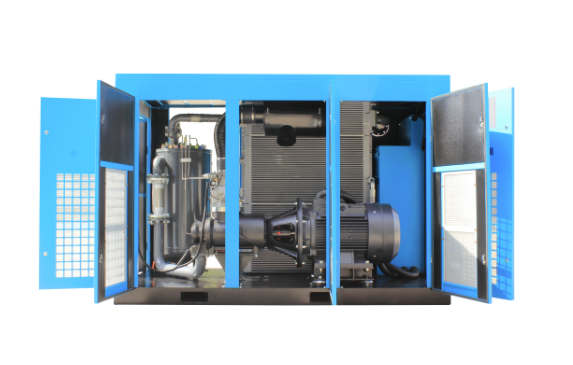
Many facilities still rely on reactive maintenance, meaning equipment is repaired only after it fails. While this approach may appear to reduce short-term maintenance expenses, it often results in higher overall costs.
Common consequences of reactive maintenance include:
· Increased unplanned downtime
· Emergency repair expenses
· Reduced equipment reliability
· Higher energy consumption
· Shortened equipment lifespan
· Production disruptions
In contrast, preventive maintenance PM focuses on scheduled inspections and servicing before failures occur.
Benefits include:
· Improved equipment reliability
· Better energy savings
· Lower maintenance costs
· Longer service life
· Reduced production interruptions
· Better air quality
A preventive maintenance program consists of planned inspections, servicing, adjustments, and component replacements performed at regular intervals.
The goal is to address small issues before they become major failures.
Typical preventive maintenance processes include:
· Equipment inspections
· Lubrication checks
· Filter replacements
· Leak detection
· Performance testing
· Cleaning procedures
· Safety inspections
Industrial facilities often use preventive maintenance checklists to ensure maintenance tasks are completed consistently.
| Preventive Maintenance | Reactive Maintenance |
| Scheduled servicing | Repairs after failure |
| Lower downtime | Higher downtime |
| Predictable costs | Unexpected expenses |
| Improved reliability | Increased risk of breakdowns |
| Better energy efficiency | Higher energy use |
| Longer equipment life | Faster component wear |
For most industrial plants, preventive maintenance delivers significant cost savings over the life of the equipment.
Before creating a maintenance schedule, it is important to identify all major system components.
A typical compressed air system may include:
· Air compressor
· Air receiver tank
· Air dryers
· Air filters
· Condensate drains
· Piping network
· Control systems
· Pressure sensors
· Flow meters
Each piece of equipment requires periodic inspection and servicing.
Daily inspections help operators identify issues before they become serious problems.
✓ Check compressor operating pressure
✓ Verify discharge temperature
✓ Inspect oil levels (if applicable)
✓ Listen for abnormal noises
✓ Check for air leaks
✓ Inspect condensate drains
✓ Verify control panel alarms
✓ Monitor system pressure stability
✓ Observe vibration levels
Completing these quick checks can significantly reduce unexpected failures.
Weekly inspections provide a deeper evaluation of system performance.
✓ Inspect air filters
✓ Clean cooling surfaces
✓ Check belts and couplings
✓ Verify drain operation
✓ Inspect electrical connections
✓ Check pressure drops across filters
✓ Inspect piping connections
✓ Test safety devices
Pressure drops often indicate clogged filters or restrictions that increase energy consumption.
Monthly servicing focuses on maintaining long-term reliability.
✓ Replace dirty air filters if necessary
✓ Inspect intake systems
✓ Check motor condition
✓ Review compressor loading cycles
✓ Verify sensor calibration
✓ Inspect piping supports
✓ Examine air receiver condition
✓ Check dryer performance
✓ Review energy usage trends
Monthly inspections help identify gradual performance declines caused by wear and tear.
Every three months, maintenance teams should perform a more comprehensive inspection.
✓ Analyze compressor performance
✓ Inspect electrical components
✓ Check valve operation
✓ Verify control system functionality
✓ Test safety shutdown systems
✓ Inspect vibration levels
✓ Review leak repair records
✓ Assess overall system efficiency
These inspections help maintain reliable operation of important production assets.
Annual servicing often involves planned shutdowns.
✓ Replace major service components
✓ Inspect internal compressor components
✓ Perform system audits
✓ Calibrate instrumentation
✓ Conduct air leak surveys
✓ Review energy consumption
✓ Update maintenance documentation
✓ Verify pressure vessel compliance
This annual review helps ensure long-term reliability and regulatory compliance.
Not all maintenance schedules should be based solely on calendar intervals.
Many facilities implement usage based maintenance.
Examples include:
· Service every 2,000 operating hours
· Replace filters every 4,000 operating hours
· Change lubricants every 8,000 operating hours
Usage-based schedules often provide better results for facilities with varying production volumes.
Modern plants increasingly use a Computerized Maintenance Management System (CMMS) to organize maintenance activities.
A maintenance management system CMMS can:
· Schedule inspections
· Track work orders
· Monitor equipment history
· Manage spare parts inventory
· Generate maintenance reports
· Improve maintenance planning
A CMMS helps maintenance teams maintain consistency across large facilities.
Maintenance has a direct impact on energy efficiency.
Poorly maintained systems often consume significantly more electricity.
Examples include:
Restricted airflow increases compressor workload.
Even small leaks can waste large amounts of compressed air.
Excessive pressure increases energy consumption.
Inefficient dryers can reduce system performance.
Routine maintenance supports continuous energy savings and lower operating costs.
Not all equipment has the same impact on production.
Facilities should identify critical assets that require priority maintenance.
Examples may include:
· Main compressors
· Primary dryers
· Central control systems
· Backup compressors
· Distribution headers
Focusing resources on critical assets reduces operational risk.
Effective preventive maintenance checklists should be:
· Easy to follow
· Standardized
· Documented
· Updated regularly
· Based on manufacturer recommendations
The best maintenance strategies combine scheduled inspections, operating data, and real-world experience.
Industrial plants often encounter issues such as:
· Dirty air filters
· Excessive moisture
· Air leaks
· Improper lubrication
· Sensor failures
· Cooling system blockages
· Naturally occurring component wear
Addressing these issues early reduces repair costs and improves system reliability.
Preventive maintenance is a planned approach to inspections and servicing that helps prevent unexpected failures and improve equipment reliability.
Replacement intervals depend on operating conditions, but many industrial systems inspect filters monthly and replace them as needed or according to manufacturer recommendations.
A Computerized Maintenance Management System (CMMS) is software used to schedule, track, and manage maintenance activities.
Clean filters, leak-free piping, and properly operating equipment reduce energy waste and improve system efficiency.
Critical assets are equipment components whose failure would significantly affect production, such as compressors, dryers, and control systems.
A structured compressed air system maintenance schedule helps industrial plants improve reliability, reduce unplanned downtime, and achieve long-term cost savings. By implementing effective preventive maintenance programs, using detailed maintenance checklists, and leveraging a maintenance management system CMMS, facilities can protect valuable equipment, reduce maintenance costs, and improve overall energy efficiency. Regular inspections and proactive servicing ensure that every piece of equipment continues to support production safely and efficiently for years to come.