Air compressors are among the largest energy consumers in many industrial facilities. While purchasing a compressor requires a significant investment, the majority of expenses occur after installation through electricity usage, maintenance, repairs, and system inefficiencies. Understanding how to reduce energy consumption and improve system performance can significantly lower operating costs over the life of the equipment.
This guide explains practical strategies for reducing compressed air expenses, improving efficiency, and implementing long-term system optimization measures.
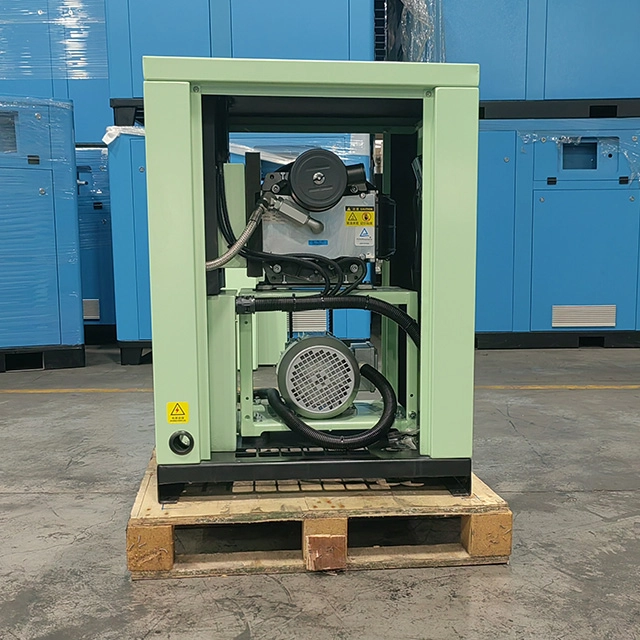
For many manufacturers, compressed air is often called the "fourth utility" because it supports production in much the same way as electricity, water, and gas.
When running a business, compressed air expenses directly affect profitability through:
· Electricity consumption
· Maintenance costs
· Equipment replacement
· Production downtime
· Utility expenses
Many companies run compressed air systems continuously, making efficiency improvements highly valuable.
The total cost of ownership includes far more than the purchase price.
Typical air compressor expenses include:
· Equipment investment
· Installation costs
· Insurance
· Building space
· Depreciation
Variable costs include:
· Electricity
· Maintenance materials
· Replacement parts
· Lubricants
· Consumable filters
Semi variable costs combine fixed and variable elements.
Examples include:
· Maintenance contracts
· Service agreements
· Equipment monitoring services
Understanding these cost categories helps with calculating operating costs accurately.
For most industrial air compressors, electricity accounts for approximately 70% to 80% of total lifecycle expenses.
Reducing power consumption is often the fastest way to lower overall operating costs.
· Lower utility costs
· Improved profitability
· Reduced carbon emissions
· Better sustainability performance
· Extended equipment life
A significant pressure drop within a compressed air system forces compressors to work harder.
Common causes include:
· Dirty filters
· Undersized piping
· Excessive bends
· Clogged dryers
· Poor system design
Every unnecessary pressure increase results in additional energy consumption.
· Replace clogged filters
· Upgrade piping systems
· Reduce restrictions
· Monitor pressure levels regularly
Minimizing pressure drop is one of the most effective energy saving measures available.
Air leaks waste large amounts of compressed air every day.
Typical leak locations include:
· Pipe connections
· Hose fittings
· Quick couplers
· Valves
· Air tools
Even small leaks can increase electricity costs significantly.
· Ultrasonic testing
· Soapy water inspections
· Continuous monitoring systems
Regular leak audits support long-term reducing energy initiatives.
Many systems generate more air than production actually requires.
Monitoring flow rate helps identify:
· Oversized compressors
· Excess demand
· Inefficient processes
By matching compressor output to actual air demand, facilities can lower power consumption and improve system efficiency.
Variable speed compressors adjust output according to demand.
Benefits include:
· Lower energy consumption
· Reduced unloaded operation
· Better pressure stability
· Improved equipment life
For facilities with fluctuating demand, variable-speed control can provide substantial savings.
System optimization involves evaluating the entire compressed air network rather than focusing only on the compressor.
Areas to assess include:
· Compressor controls
· Air storage capacity
· Piping design
· Dryer performance
· Demand-side equipment
A comprehensive optimization model can reveal hidden inefficiencies.
Many facilities operate multiple compressors.
Applying network optimization techniques allows:
· Better load sharing
· Reduced idle operation
· Improved reliability
· Lower energy usage
Modern controller systems can automatically manage multiple compressors for maximum efficiency.
Replacing outdated equipment often produces immediate benefits.
Look for:
· High-efficiency motors
· Advanced controls
· Variable-speed drives
· Low-pressure-drop components
Many products carrying the ENERGY STAR designation or similar efficiency certifications can help reduce operating expenses.
Most compressor energy eventually becomes heat.
Heat recovery systems can reuse this energy for:
· Facility heating
· Water heating
· Industrial processes
This reduces the need for additional fuel or electrical heating systems.
Some facilities combine compressed air efficiency programs with renewable energy projects such as:
· Solar power
· Wind energy
· Battery storage systems
These solutions further reduce operating expenses.
Poor maintenance increases:
· Pressure losses
· Energy consumption
· Repair expenses
· Downtime
Routine maintenance should include:
· Filter replacement
· Leak inspections
· Lubrication checks
· Dryer servicing
· System performance monitoring
Preventive maintenance improves both reliability and efficiency.
Many facilities do not fully understand their compressed air expenses.
When calculating operating costs, include:
· Electricity consumption
· Maintenance expenses
· Downtime losses
· Replacement parts
· Labor costs
Tracking these metrics helps identify improvement opportunities.
Compressed air expenses often fall into broader business accounting categories.
Examples include:
Compressed air used directly in manufacturing may contribute to:
Cost of goods sold operating expenses
Compressed air supporting facility operations may be classified as:
Overhead costs
Electricity used by compressors contributes to overall:
Utility costs
Understanding these categories helps businesses evaluate savings projects more effectively.
A manufacturing facility identifies:
· 15% air leakage
· 8 PSI pressure drop
· Oversized compressor operation
After implementing an optimization technique, the facility achieves:
· Lower electricity consumption
· Reduced maintenance costs
· Improved pressure stability
· Significant annual energy savings
This demonstrates how relatively small improvements can deliver measurable results.
The most effective methods include repairing air leaks, reducing pressure drop, optimizing flow rate, using variable-speed controls, and performing regular maintenance.
Electricity is typically the largest operating expense, often representing 70% to 80% of total lifecycle costs.
Pressure drop forces compressors to work harder to maintain system pressure, increasing energy consumption and utility costs.
System optimization involves improving the performance of the entire compressed air system, including compressors, piping, storage, controls, and air treatment equipment.
In many cases, modern energy-efficient compressors can significantly reduce energy consumption and operating costs, especially when replacing older equipment.
Reducing air compressor operating costs requires more than simply purchasing efficient equipment. Facilities that focus on reduce energy consumption, leak management, pressure control, maintenance, and overall system optimization can achieve substantial long-term savings. By monitoring performance, improving flow rate management, and investing in energy efficient technologies, businesses can lower utility expenses, improve reliability, and strengthen overall operational performance.