Air compressors are long-term industrial assets, but they do not last forever. Understanding air compressor lifespan, what affects compressor service life, and when to plan compressor replacement helps companies control downtime, reduce operational costs, and maintain reliable compressed air supply.
This guide explains real-world air compressor life expectancy, factors that affect wear and tear, and how to extend the life of your equipment through proper preventive maintenance.
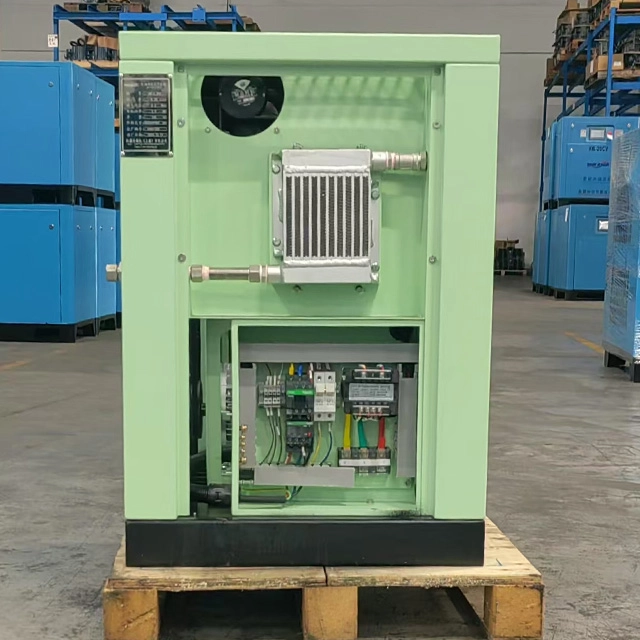
Typical air compressor life expectancy
· Reciprocating compressors: 8–12 years
· Rotary screw compressors: 15–20 years
· Centrifugal compressors: 20+ years
Actual compressor service life depends heavily on compressor type, continuous operation, maintenance quality, environment, and energy consumption.
A failing compressor affects the entire compressed air system. Aging equipment often leads to:
· Higher energy consumption
· Rising repair costs
· Increased downtime
· Reduced energy efficiency
· Difficulty sourcing spare parts
Knowing the expected service life helps businesses plan upgrades before failure disrupts production.
Typical life: 8–12 years
These machines operate with pistons and valves that experience heavy wear and tear. They work well for intermittent use but struggle with continuous operation.
Common aging signs:
· Frequent valve failures
· Increased oil carryover
· Overheating and noise
They are often replaced earlier due to rising maintenance costs.
Typical life: 15–20 years
Rotary screw units are designed for industrial air compressor duty and continuous production environments.
Why they last longer:
· Fewer moving internal components
· Designed for continuous operation
· Lower vibration and smoother compression
With good preventive maintenance, many units exceed 20 years.
Typical life: 20–25+ years
These compressors dominate large compressed air system installations and run continuously with minimal mechanical contact.
They offer:
· Excellent energy efficiency
· Low mechanical wear and tear
· Long long term reliability
A compressor running 24/7 accumulates wear faster than one used occasionally. High duty cycles increase stress on internal components such as:
· Bearings
· Rotors
· Pistons
· Valves
Operating hours often matter more than calendar age.
Routine preventive maintenance is the biggest factor in extending lifespan.
Essential tasks:
· Oil and filter replacement
· Air filter cleaning
· Leak checks
· Cooling system inspection
· Lubrication monitoring
Skipping maintenance shortens air compressor lifespan dramatically.
Dust, humidity, and heat accelerate component degradation.
High-risk environments:
· Foundries
· Woodworking shops
· Cement plants
· Textile factories
Contamination increases repair costs and shortens service life.
Oversized or undersized compressors experience unnecessary stress. Proper system sizing improves:
· Energy efficiency
· Reliability
· Overall operational costs
Using genuine spare parts affects reliability and performance. Low-quality parts increase vibration, overheating, and premature failure.
Even well-maintained machines reach a point where replacement becomes more economical.
Watch for these warning signs:
Older compressors can use 20–40% more energy than modern models.
Frequent breakdowns and costly overhauls signal declining long term reliability.
When manufacturers stop supporting older models, downtime risk increases.
If your compressor struggles to maintain pressure or airflow, system productivity suffers.
A simple rule used by many maintenance teams:
If repair costs exceed 30–40% of a new compressor, replacement makes financial sense.
Why replacement often wins:
· Lower maintenance costs
· Better energy efficiency
· Reduced downtime
· Improved reliability
Companies can significantly extend compressor service life by following best practices.
Create a documented preventive maintenance plan.
Tracking energy consumption helps detect performance decline early.
Cool operating temperatures reduce component fatigue.
Leaks force compressors to work harder, accelerating wear and tear.
Modern dryers, filters, and controls reduce load and improve reliability.
Old equipment often looks cheaper because it is already paid for. However, hidden costs accumulate:
| Cost Factor | New Compressor | Aging Compressor |
| Energy efficiency | High | Low |
| Maintenance costs | Predictable | Increasing |
| Downtime risk | Low | High |
| Operational costs | Lower | Higher |
Over time, inefficient machines become expensive to operate.
Most industrial air compressor systems can operate for 15 years or more, but lifespan depends heavily on maintenance, environment, and system design. Regular servicing, monitoring energy efficiency, and planning timely compressor replacement ensure reliable and cost-effective compressed air supply.
Reciprocating compressors last 8–12 years, rotary screw compressors 15–20 years, and centrifugal compressors 20+ years with proper maintenance.
Poor maintenance, dirty environments, air leaks, overheating, and continuous heavy loads accelerate wear.
Yes. Routine servicing, oil changes, filter replacement, and leak detection significantly extend compressor service life.
Replacement is recommended when repair costs exceed 30–40% of a new machine or when energy and maintenance costs continue rising.
Internal wear reduces efficiency, forcing the compressor to run longer and consume more power to produce the same amount of compressed air.
Air compressors are built for long-term operation, but their lifespan depends on how they are used and maintained. While many industrial units can run for around 15 years or more, factors such as continuous operation, environment, preventive maintenance, and energy efficiency determine whether a compressor reaches or exceeds its expected service life.
Tracking operating hours, controlling maintenance costs, and monitoring energy consumption help businesses decide when repair makes sense and when replacement becomes the smarter investment. With proper care and timely upgrades, companies can extend the life of their compressed air system and keep operational costs under control for the long term.