Choosing the right compressed air system design has a direct effect on system performance, operating costs, maintenance, and energy consumption. One of the most common decisions is whether to build a central compressor room or install distributed compressors across the facility.
This guide explains both approaches, compares advantages and limitations, and helps you select the best layout for your compressor system.
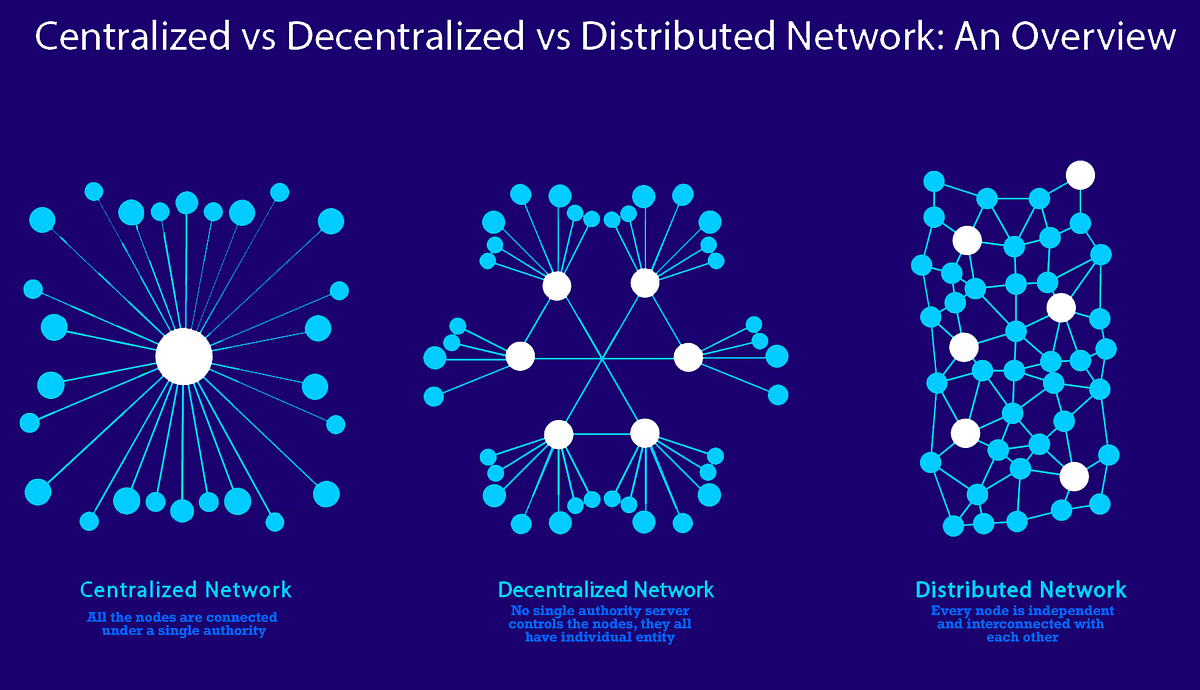
A centralized compressed air system uses a single compressor room to supply the entire facility through a piping network, while a decentralized system places smaller compressors near points of use. Central systems simplify maintenance and heat recovery, while decentralized systems reduce pressure drops and piping costs.
A typical compressed air system includes:
· Air compressor (often a screw compressor)
· Air dryer
· Filters and receivers
· Piping system
· Control and monitoring equipment
The layout of these components determines overall efficiency and reliability.
A central compressor room houses all compressors and air treatment equipment in one location. Air is then delivered through a distribution system across the plant.
· Multiple compressors in one room
· Large air dryer and filtration system
· Main piping loop around the facility
· Central monitoring and controls
Having all compressors in one compressor room simplifies service and inspection.
Benefits:
· Easier access for technicians
· Centralized control systems
· Reduced maintenance labor
Large compressor rooms can integrate heat recovery systems.
Recovered heat from exhaust air can be used for:
· Space heating
· Process heating
· Hot water production
This reduces operating costs significantly.
Central rooms allow controlled intake air conditions.
Good design includes:
· Clean air intake locations
· Proper ventilation
· Temperature control
Better intake conditions improve compressor efficiency and reliability.
Placing compressors in a dedicated room:
· Reduces workplace noise
· Reduces vibrations in production areas
· Improves safety and comfort
Long piping systems can cause:
· Pressure losses
· Higher energy consumption
· Reduced efficiency
Proper pipe sizing is necessary to maintain system performance.
Central systems require:
· Large piping network
· Dedicated compressor room design
· Structural support and lifting equipment
Initial investment may be higher.
Distributed compressors place smaller units near production equipment instead of using one central room.
Each production zone may have its own compressor system.
Short piping means:
· Lower pressure loss
· Improved system performance
· Lower energy use
Air travels a shorter distance before use.
Distributed systems allow:
· Easy expansion of production lines
· Independent operation of zones
· Scalable growth of compressed air supply
Shorter distribution systems require:
· Less piping material
· Less installation labor
· Faster project implementation
Multiple compressor locations mean:
· More service points
· Harder monitoring
· Increased maintenance time
Each unit may require:
· Separate air dryer
· Filters and monitoring
This can increase equipment costs.
Smaller compressors spread across the facility:
· Make heat recovery systems difficult to implement
· Reduce opportunities for energy reuse
| Feature | Centralized | Decentralized |
| Maintenance | Easy | Complex |
| Pressure drops | Higher | Lower |
| Installation cost | Higher | Lower |
| Expansion flexibility | Moderate | High |
| Heat recovery | Excellent | Limited |
| Noise control | Better | Moderate |
· Large continuous air demand exists
· Heat recovery is desired
· Maintenance efficiency is a priority
· High air quality control is required
· Production areas are spread out
· Pressure drops are a major concern
· Flexible expansion is needed
· Piping costs must be minimized
A well-designed compressor room should include:
· Adequate space for service access
· Strong flooring for heavy equipment
· Ventilation for heat removal
· Safe installation using proper lifting equipment
· Clean and cool intake air locations
Good room design improves safety and efficiency.
It is a system where all compressors and air treatment equipment are located in one compressor room supplying the entire facility.
It uses multiple smaller compressors placed near production areas to reduce piping distance and pressure losses.
Both can be efficient if properly designed. Central systems benefit from heat recovery, while decentralized systems reduce pressure drops.
It is possible but less practical compared to centralized compressor rooms.
Centralized systems are generally easier to maintain because equipment is located in one place.
Both centralized and decentralized compressed air systems can perform well when matched with the right facility layout and production requirements. Centralized systems offer easier maintenance, better ventilation control, and strong heat recovery opportunities. Distributed compressors provide flexibility, lower pressure drops, and reduced piping costs.
The best choice depends on plant layout, air demand, expansion plans, and long-term operating costs.