Improving compressed air efficiency is one of the most practical ways to lower energy losses, reduce waste energy, and cut operating costs in industrial facilities. Many compressed air systems lose a large portion of energy through poor system design, pressure drops, and unnoticed leaks.
This guide explains 10 practical methods for air compressor optimization and improving overall system performance, while also supporting lower emissions and cleaner operations.
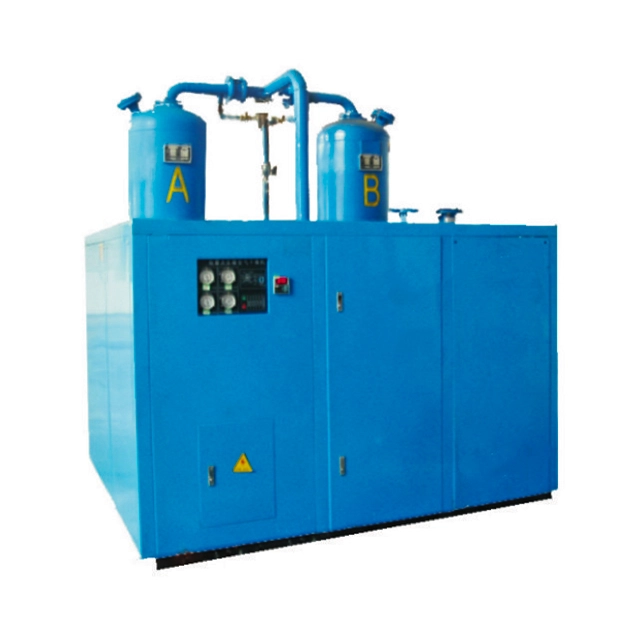
Compressed air efficiency can be improved by fixing air leaks, reducing system pressure, optimizing system design, using variable speed drives, and preventing pressure drops. These actions reduce energy waste and improve compressor performance.
One of the biggest sources of wasted energy is air leakage.
· Leaks increase air demand
· Compressors run longer than needed
· Energy losses increase significantly
Use leak detection methods such as ultrasonic tools to identify and repair leaks.
Even small leaks can increase electricity use by 20–30%.
Higher system pressure increases energy consumption.
· Every 1 bar increase raises energy use by ~7%
· Higher pressure increases carbon dioxide emissions indirectly
Operate at the lowest pressure required by equipment to maintain performance.
Poor system design leads to unnecessary resistance and pressure drops.
· Shortening pipe lengths
· Increasing pipe diameter
· Reducing unnecessary bends and fittings
A well-designed system improves compressed air efficiency and reduces energy waste.
Variable speed drives adjust compressor speed based on real-time demand.
· Matches air demand automatically
· Reduces idle running
· Saves energy during low-load periods
This is one of the most effective air compressor optimization methods.
Pressure drops occur when air flows through restrictions.
· Dirty filters
· Small pipes
· Long piping routes
Compressor works harder to maintain system pressure, increasing energy consumption.
A poor control system can cause compressors to run inefficiently.
· Adjusting load/unload settings
· Avoiding frequent cycling
· Matching compressor operation with real demand
Better control reduces waste energy and improves stability.
Oversized compressors waste energy.
When air demand is low, compressors still consume power.
· Use staged compressors
· Install multiple smaller units
· Use VSD systems for flexible output
Many facilities use compressed air where alternatives exist.
· Using compressed air for cleaning instead of vacuum systems
· Leaking hoses left running continuously
Reducing unnecessary use helps lower compressed air system load.
Poor maintenance leads to energy losses.
· Replace clogged filters
· Check oil levels
· Inspect valves
· Monitor system pressure regularly
A well-maintained system runs closer to design efficiency.
Continuous monitoring helps detect inefficiencies early.
· Identify leaks faster
· Track energy consumption trends
· Improve long-term system performance
Digital monitoring systems help reduce hidden energy waste.
Improving compressed air efficiency also reduces environmental impact.
· Lower electricity consumption reduces carbon dioxide emissions
· Reduced greenhouse gas output
· Supports compliance with emission standards
· Helps reduce overall pollution levels
Energy-efficient systems contribute to cleaner industrial operations and broader sustainability goals, similar in importance to reducing emissions in sectors like public transportation, or choosing to bike or walk instead of driving.
Improving compressed air systems involves:
· Fixing leaks
· Lowering system pressure
· Improving system design
· Using VSD technology
· Reducing pressure drops
· Matching supply with demand
These steps reduce energy waste and improve overall compressor efficiency.
Compressed air efficiency refers to how effectively electrical energy is converted into usable compressed air with minimal energy loss.
Common causes include air leaks, high system pressure, poor design, and inefficient control systems.
VSD systems adjust motor speed based on demand, reducing unnecessary energy use during low-load periods.
Pressure drops force compressors to work harder, increasing energy consumption and reducing system performance.
Depending on system condition, leak repairs can reduce energy use by 10% to 30%.
Improving compressed air system efficiency is not about one major change but a combination of small optimizations. From leak detection to system design improvements, each step reduces energy losses, improves system performance, and supports lower emissions. Over time, these improvements lead to significant cost savings and a more reliable compressed air system.