Understanding air compressor power consumption is important for managing compressor electricity cost, especially in factories and workshops where compressors run for long load hours every day. Electricity often becomes the largest part of the total lifetime cost of a compressed air system.
This guide explains how to calculate energy use, how kW to CFM relates, and how to estimate real operating costs.
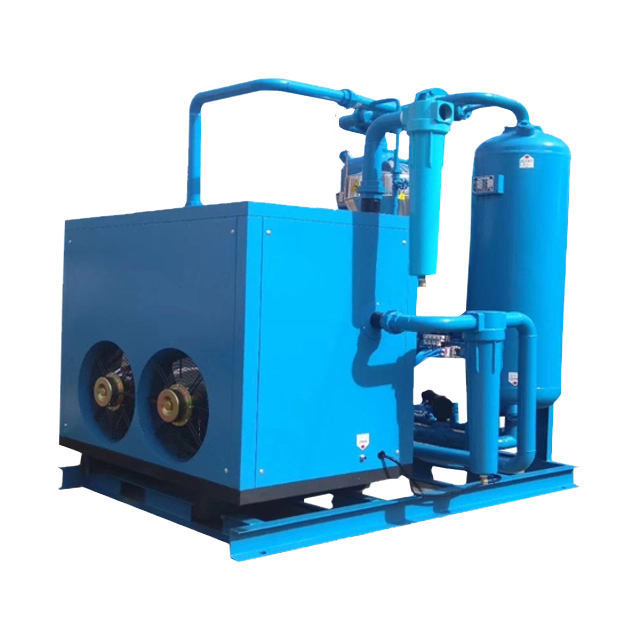
An air compressor typically uses between 1.5 kW and over 200 kW, depending on size. Small workshop units may cost a few dollars per day to run, while industrial compressors running long hours can consume significant electricity based on CFM demand, load hours, and kw rating.
Air compressor power consumption refers to how much electrical energy the machine uses to generate compressed air.
It depends on:
· Compressor size (kW rating)
· Air demand (CFM)
· System pressure
· Efficiency of the machine
· Run hours per day
· Load vs unload operation
A compressor does not always run at full power. It cycles between:
· Load hours (producing air)
· Idle/unload (still consuming energy)
Many users ask about kW to CFM or air compressor CFM to kW conversion.
· CFM = airflow output
· kW = electrical power input
A higher CFM usually requires higher kW, but efficiency varies by design.
While exact values vary by model:
CFM to kW calculation (approx.)
Industrial rotary screw compressors:
· 4–5 CFM per kW (efficient systems)
· 3–4 CFM per kW (older systems)
So:
· 100 CFM ≈ 20–30 kW (typical range)
This is why compressor performance depends heavily on efficiency, not just size.
To estimate compressor electricity cost, use this simple method:
Check the kw rating on the nameplate.
Example:
· 30 kW compressor
Example:
· 8 hours/day
· 300 days/year
Formula:
Energy (kWh) = kW × run hours
So:
· 30 kW × 8 hours = 240 kWh/day
If electricity = $0.15/kWh:
· 240 × 0.15 = $36/day
Even two compressors with the same kw of power can have different energy costs due to:
· Load/unload efficiency
· Air leaks in system
· Pressure settings
· Oversized compressors
· Poor maintenance
· Inefficient pneumatic tools
Air leaks alone can increase energy consumption by 20–30%.
Reducing energy costs is often more effective than upgrading equipment.
· Fix air leaks in piping
· Reduce system pressure (every 1 bar saves energy)
· Match compressor size to CFM demand
· Avoid long unload cycles
· Use variable speed drive systems
· Improve air storage tank usage
A well-optimized system can significantly reduce compressor electricity cost over time.
Efficient systems produce more air per unit of electricity.
| System type | Efficiency (CFM per kW) |
| Old fixed-speed compressors | Low |
| Modern rotary screw | Medium–High |
| VSD compressors | High |
This is why modern systems deliver better energy efficiency and lower operating costs.
Several factors influence compressor performance:
· Pressure level (PSI)
· Air demand fluctuations
· System leaks
· Maintenance condition
· Compressor type (oil-free vs oil-lubricated)
· Temperature and environment
Poor system design increases power consumption even if the compressor itself is efficient.
Air compressors rarely run at full load continuously.
· Load hours: producing compressed air (high energy use)
· Unload hours: still running but producing no air
In some systems, unload operation can waste 20–40% of total energy.
Reducing idle time is key for lowering energy consumption.
Correct cfm to kw calculation helps avoid:
· Oversized compressors (wasted electricity)
· Undersized compressors (pressure drops)
Proper sizing ensures:
· Stable air supply
· Lower energy costs
· Longer equipment life
It depends on size. Small units use 1–5 kW, while industrial compressors can use 15–200+ kW per hour.
There is no exact universal formula, but efficient systems typically produce 4–5 CFM per kW.
Common reasons include air leaks, high pressure settings, oversized compressors, and long unload operation.
Generally yes, higher CFM requires more kW, but efficiency differences can significantly change results.
Fix leaks, optimize pressure, reduce idle time, and match compressor size to actual demand.
Air compressor electricity use depends on kW rating, CFM demand, run hours, and system efficiency. Since compressed air is one of the most expensive utilities in industrial facilities, understanding air compressor power consumption helps reduce long-term operating costs.
A properly sized and well-maintained system can significantly lower energy consumption and improve overall compressor performance without changing production output.