Choosing the right industrial air compressor depends on your required air pressure, flow rate (cubic feet per minute CFM), air quality, and specific applications. Understanding the different types of compressors and matching them to your demand for compressed air helps ensure stable performance and efficient operation.
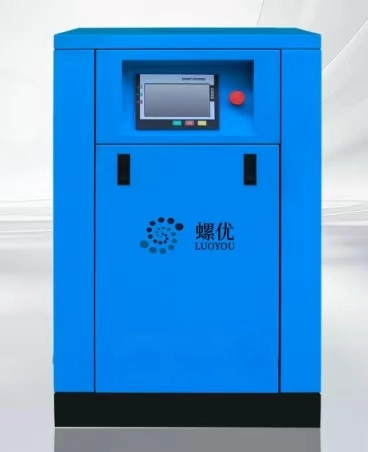
An industrial air compressor is a machine that converts power into compressed air for use in manufacturing, processing, and various specific applications. These systems are designed to deliver consistent air supply for equipment such as air tools, production lines, and automation systems.
When it comes to industrial air compressor selection, the goal is to match the compressor to your actual operating conditions rather than simply choosing the largest unit available.
Understanding the main types of compressors is the first step in choosing a compressor.
A reciprocating air compressor is a positive displacement compressor that uses pistons to compress air.
· Suitable for intermittent use
· Common in small workshops
· Includes single stage compressors for lower pressure needs
A rotary screw compressor uses two rotating screws to compress air.
· Designed for continuous operation
· Delivers stable airflow
· Suitable for large volumes of air
· No oil in the compression chamber
· Used in applications requiring clean air
· Higher air quality
· Use oil for lubrication and cooling
· More durable for general industrial use
· Lower upfront cost
Air pressure is measured in square inch (PSI). Different equipment requires different pressure levels.
· Low pressure: light-duty tools
· Medium pressure: general manufacturing
· High pressure: specialized industrial processes
Make sure your compressor can deliver the required air pressure consistently.
The cubic feet per minute (CFM) rating indicates how much air the compressor can deliver.
· Calculate the total demand from all air tools and machines
· Add a margin for future expansion
· Ensure the compressor meets peak demand
Matching the correct volumes of air is essential for smooth operation.
Some industries require clean, dry air.
· Food and beverage
· Pharmaceuticals
· Electronics
In these cases, oil free compressors are preferred to maintain high air quality.
Consider how often the compressor will run.
· Intermittent use → reciprocating air compressor
· Continuous operation → rotary screw compressor
A storage tank helps stabilize the compressed air system.
· Reduces pressure fluctuations
· Supports peak demand
· Improves system efficiency
· Small workshops
· Basic air tools
· Recommended: single stage compressors
· Manufacturing lines
· Packaging systems
· Recommended: oil lubricated rotary screw compressors
· Food processing
· Medical use
· Electronics
· Recommended: oil free compressors
· Selecting based on price alone
· Ignoring future expansion needs
· Underestimating required CFM
· Not considering air quality requirements
· Choosing the wrong type of air compressor for the application
Avoiding these issues can improve system performance and reduce long-term costs.
When choosing a compressor, keep these points in mind:
· Evaluate your specific applications
· Calculate total compressed air demand
· Choose the right types of compressors
· Consider maintenance and operating costs
· Plan for system growth
A well-matched compressor improves efficiency and reduces downtime.
You should evaluate your air pressure, CFM requirements, air quality needs, and whether your application requires continuous or intermittent operation.
CFM measures airflow volume, while PSI (square inch) measures pressure. Both are important when selecting a compressor.
Rotary screw compressors are suitable for continuous use and provide stable airflow.
Choose an oil-free compressor for applications requiring clean air, such as food, medical, and electronics industries.
Yes, a storage tank helps maintain stable pressure, reduces load fluctuations, and improves overall efficiency.
Selecting the right industrial air compressor involves understanding your air demand, pressure requirements, and application needs. By comparing different types of compressors and evaluating factors such as CFM, air quality, and usage patterns, you can choose an air compressor that fits your operation and supports long-term performance.